Dental Implant Solutions in Grand Rapids and Rockford, MI
Restore your smile with durable, natural-looking dental implants that improve function, support jawbone health, and boost confidence.
Permanent Tooth Replacement
Grand Rapids & Rockford, MI
Comfort-Focused Patient Care
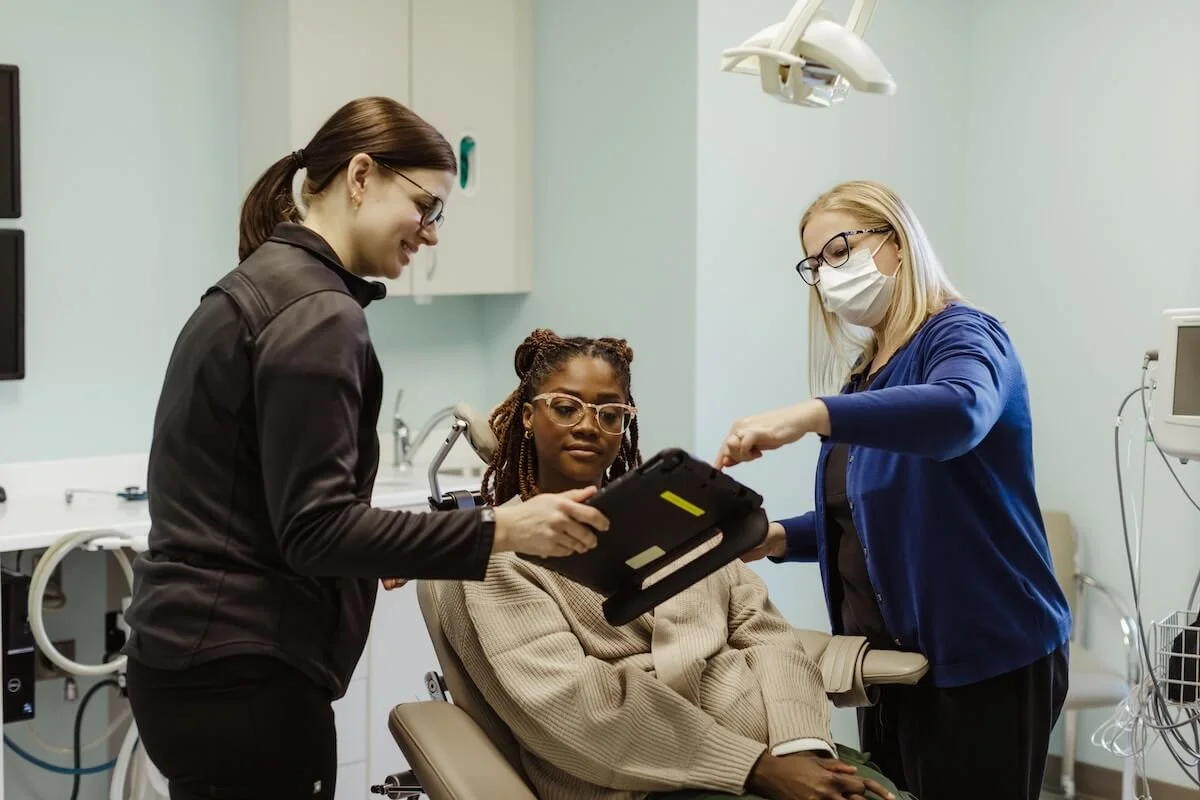
The Benefits of Long-Lasting Dental Implants
If you are missing one or more teeth, dental implants offer the most permanent, comfortable, and natural-looking solution available.
At the Center for Oral Surgery + Dental Implants, we specialize in the precise placement of titanium implants that act as stable foundations for replacement teeth, preserving your jawbone health and restoring your ability to eat, speak, and smile with confidence. Our commitment to surgical excellence and patient safety ensures outstanding, long-lasting results.
Trust our dedicated specialists in West Michigan to guide you through a smooth, integrated journey toward a healthy, confident smile.
Hear From a Recent Dental Implant Patient


“I don’t know a better place…where you’ll be treated by somebody who has a big heart for you.”
Our surgical team provides the most advanced tooth replacement solutions available. Hear from one of our past patients about her experience at the Center for Oral Surgery + Dental Implants.
Why Dental Implants Are the Superior Solution
UNDERSTANDING MISSING TEETH AND BONE HEALTH
When a tooth is lost, you lose both the root and the crown. This has a profound impact on your overall oral health:
Deterioration: Without the tooth root to stimulate the jawbone, the bone deteriorates. Patients typically lose 25% of their supporting bony structure within the first year after tooth loss.
Consequences: Missing teeth impact your bite, speech, and food choices. As you rely more on remaining teeth, you increase the chance they will wear out prematurely, leading to headaches and jaw pain.
Preservation: Dental implants act similarly to natural tooth roots. They safeguard and preserve your bone structure, ensuring your oral health and facial appearance are maintained in the long term.
WhAT ARE DENTAl IMPLANTS?
A dental implant is the closest replacement to a natural tooth. A natural tooth consists of a root and a crown, and an implant-supported replacement tooth has the same basic parts.
The Implant: The implant itself is made of titanium—the same time-tested material used by surgeons for artificial joints. The implant replaces the root and is anchored into the jaw.
The Abutment: A support post that is placed on the implant after the healing phase by your restorative dentist.
The Crown: Your restorative dentist places the new replacement tooth on top of the abutment.
WHY CHOOSE IMPLANTS OVER TRADITIONAL RESTORATIONS?
Dental implants are the most comfortable and long-lasting solution, offering significant advantages over alternatives such as bridges and dentures.
Preserving Healthy Teeth: A dental bridge can compromise the structure of surrounding healthy teeth to bridge the space left by a missing tooth. Unlike bridges, no healthy teeth are damaged during implant placement.
Stability and Comfort: Removing a denture or a "partial" at night may be inconvenient, and dentures that slip can be uncomfortable and rather embarrassing. Implants form a strong foundation for teeth, offering stability and comfort for almost any patient.
Durability and Longevity: Unlike bridges, implants can last much longer, making them a more cost-effective solution over the long term.
WHO ARE DENTAL IMPLANTS FOR AND HOW SUCCESSFUL ARE THEY?
A good candidate is anyone who is missing one or more teeth or who is unhappy with their dentures. Age is not a factor.
Success Rate: Implants have long-term success rates. For patients missing one or several teeth, recent studies show a success rate of greater than 95 percent.
Longevity: Dental implants are designed to be a long-lasting, long-term solution for missing teeth.
Potential Problems: Although rare, pain medication and antibiotics are prescribed to ensure recovery is as easy as possible. There is a chance the nerve in the lower jaw may be affected, leading to temporary tingling or numbness in the lip or chin. We take great care to avoid this and will manage your care appropriately if it occurs.
CONSIDERING THE COST OF DENTAL IMPLANTS?
We are committed to providing you with a precise financial estimate before your treatment begins.
Separation of Fees: Since your care is a team effort, you will be charged separately for the surgical services provided by our doctors and the restorative services offered by your general dentist.
Insurance and Financing: We will assist you in estimating your final payment after assessing your insurance coverage, as implant coverage is often limited.
Investment in Health: Dental implants are a long-term investment in your health and quality of life, offering superior longevity and protection for your jawbone structure compared to traditional options. If you have any financial questions, please contact our office directly.
PLATELET-RICH Plasma + FIBRIN THERAPY
We offer optional PRP (Platelet-Rich Plasma) and PRF (Platelet-Rich Fibrin) therapy, advanced treatments that use your body’s own natural repair kit to speed up healing.
The Dental Implant Process
Your Initial Consultation + DIAGNOSTIC IMAGING
Precision Planning: X-rays of your jaw will be taken to evaluate whether the area is suitable for implants. Detailed X-rays may be required to determine if other tests or procedures are needed to place implants properly.
Timing: Implants are often placed several months after tooth extraction. However, when infection is absent, the implant may be placed immediately after extraction, simplifying the process.
Start-to-Finish: The entire process—from implant placement to final tooth completion—generally takes 3 to 12 months. Restoring a single tooth may require as few as three short appointments. Restoring a full arch with a removable denture may require up to five appointments over several months.
The Day of Your Surgery
The procedure to place a single dental implant typically takes 30 to 60 minutes, and placing multiple implants takes only 2 to 3 hours.
Comfort and Sedation: Before surgery, you may receive antibiotics and, for greater comfort, intravenous sedation or nitrous oxide (laughing gas). A local anesthetic will be administered to numb the area.
Surgical Advances: Using recent advances, our surgeons can place single-stage implants that do not require a second procedure to uncover them.
What to Expect During Recovery
The length of time required for the bone to heal and grow around the implant varies from person to person.
Temporary Teeth: If you need a replacement tooth while the implants are healing, removable teeth or a temporary bridge can be made. In some cases, a temporary replacement tooth can be placed immediately or shortly after the implant goes in.
Healing Phase: Follow-up care (one to four appointments) is usually needed to ensure proper healing and to determine when you are ready for the final restorative phase with your dentist.
Surgical Instructions
We provide general surgical instructions on our website for the convenience of our patients. As always, your surgeon will provide instructions for your specific procedure and individual circumstances at your consultation.
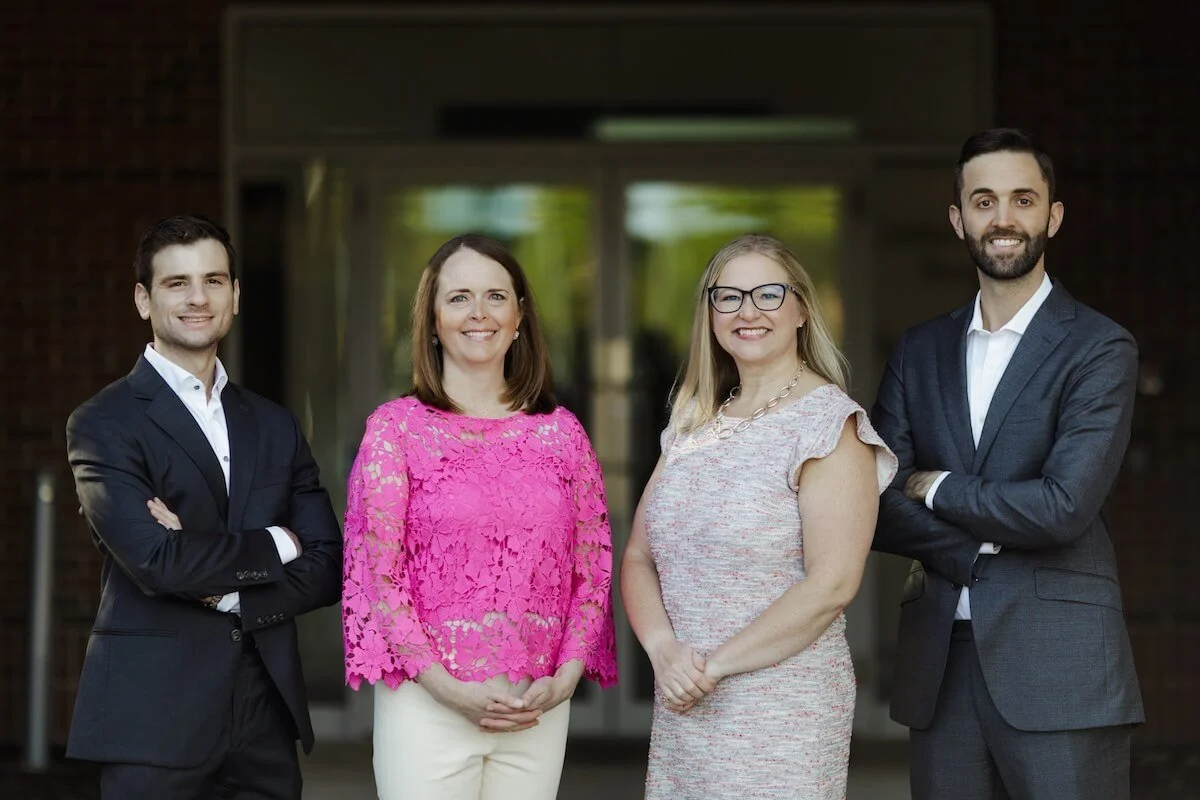
Meet Our Board-Certified Dental Implant Team
Our team of oral surgery specialists is dedicated to providing the highest level of care and expertise for dental implant placement. We combine advanced surgical knowledge with genuine compassion to ensure every patient feels safe and fully supported. Meet the trusted surgeons and staff who will be your dedicated partners throughout your surgical journey.
-
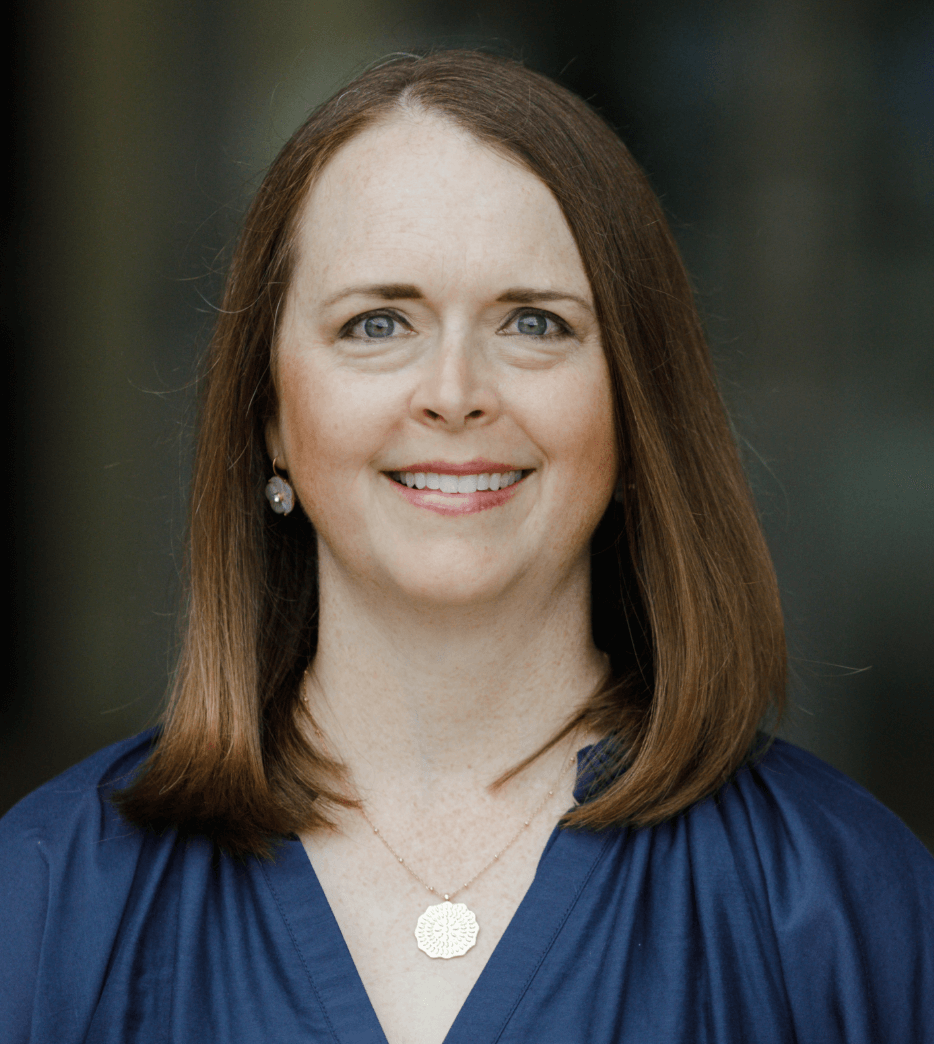
Emily J. Van Heukelom
DDS
-
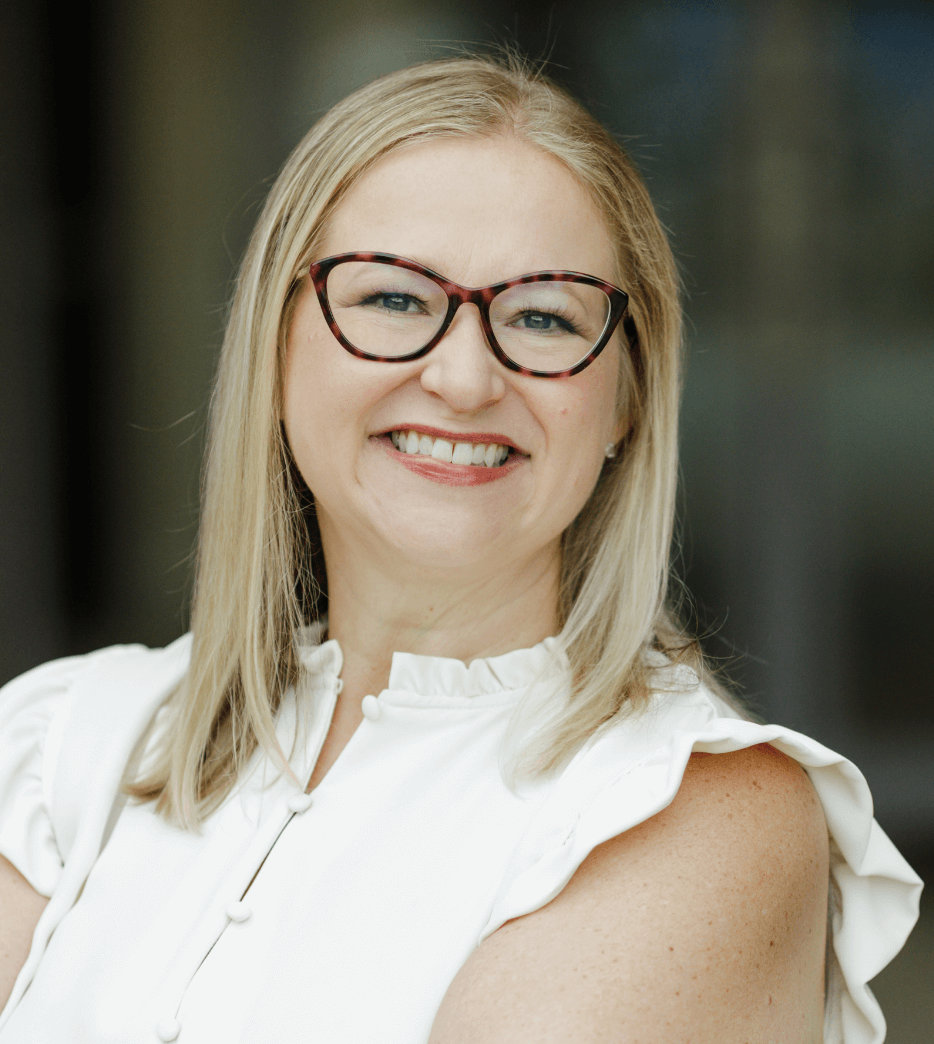
Roseanna P. Noordhoek
DDS, FACS
-
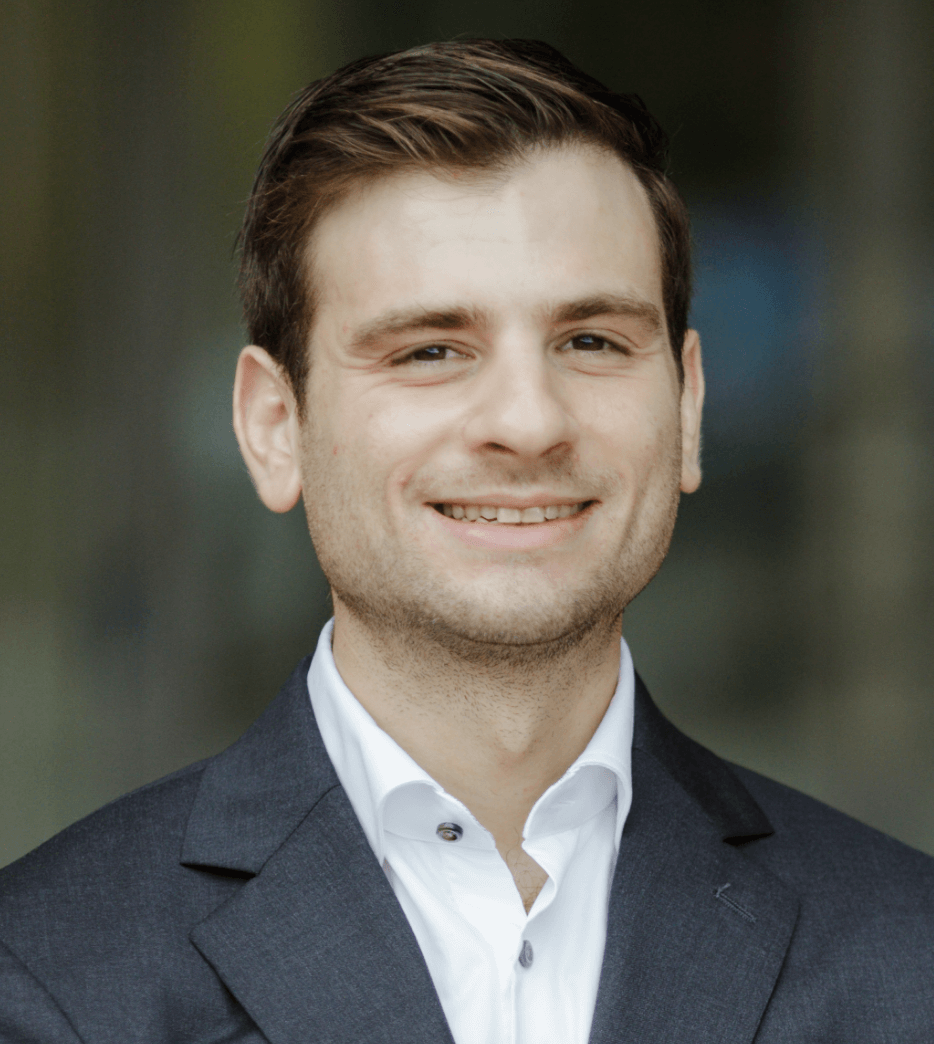
Dillon F. Feigenbaum
DDS, MD
-
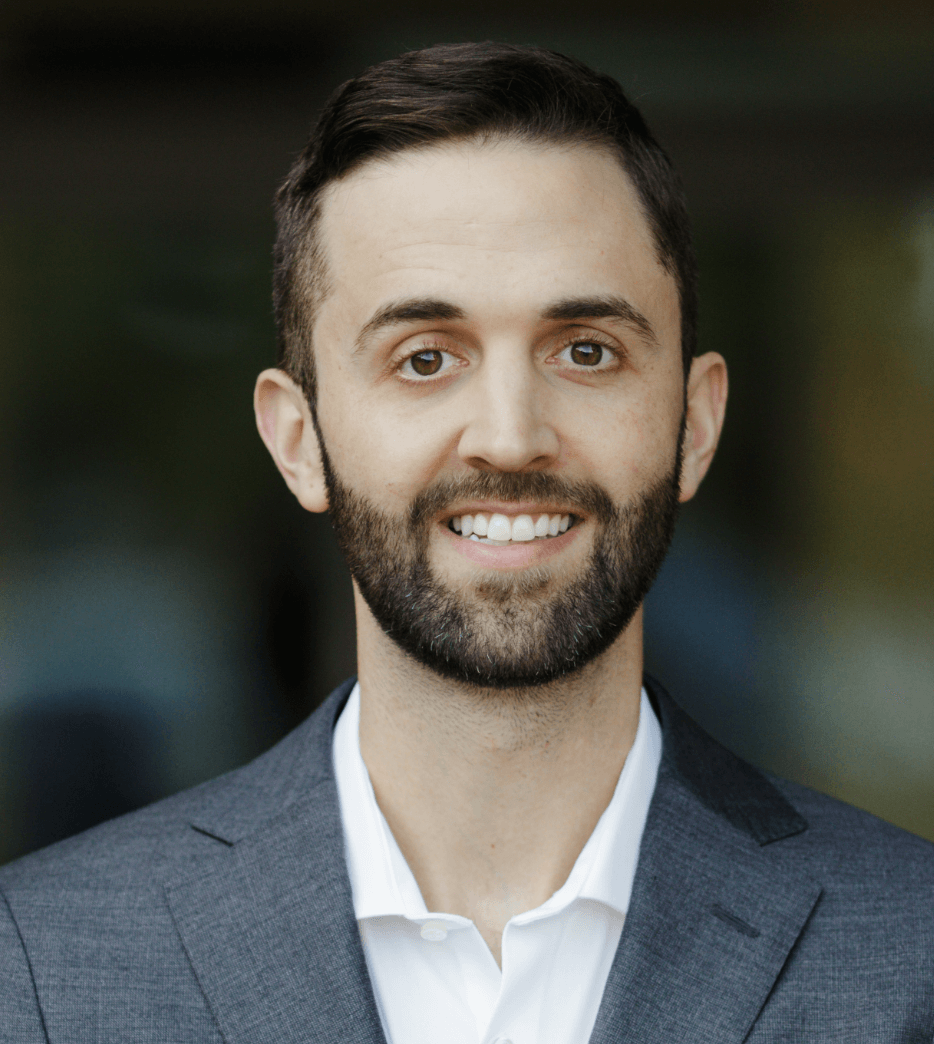
Christopher M. Bulcher
DMD, MD
Why Should You Choose the Center for Oral Surgery + Dental Implants?
When you're considering oral surgery, knowing you have the right team is the first step toward peace of mind. As West Michigan's Choice for dental implants, we combine technical excellence with genuine compassion. Our team is committed to giving you the best possible service and results. We work closely with your referring dentist to ensure a smooth, integrated experience from your initial consultation through complete recovery.
Frequently Asked Questions
-
Implant posts can last 20 years or longer with proper care and regular professional cleanings.
The crown portion may need replacement after 15 to 25 years, but the titanium post bonded to your jawbone is designed for long-term stability.
By comparison, traditional bridges that lean on neighboring teeth for support tend to need replacement every 10 to 15 years, and dentures require periodic adjustments and relining. When you look at the total cost of care over a 25-year window, implants often come out ahead.
-
No. The procedure is done under local anesthesia, with optional nitrous or IV sedation for added comfort. Most patients describe their recovery as milder than expected, with a few days of soreness that is managed with standard pain medication.
-
Most people missing one or more teeth are candidates. Age is not a factor. What matters is your overall health and whether your jawbone has enough density to support the implant. If bone loss has already occurred, a bone graft can often restore the area before placement. We confirm candidacy at your consultation using X-rays and 3D imaging.
-
From placement to final tooth, the process generally takes 3 to 12 months. A single implant can be completed in as few as three appointments. The variation depends on the healing time and whether additional procedures, such as bone grafts or extractions, are needed.
-
Coverage varies by plan and is often limited. We are in-network with Delta Dental, Aetna Dental, Blue Par Select, UNUM/Always Care Dental, and Priority Health Medical. We will review your specific plan and give you a clear breakdown of what is covered before treatment begins.
-
Recent studies show a success rate of over 95% for patients missing one or more teeth, making implants one of the most predictable procedures in dentistry and oral surgery.
-
Both can place implants, but oral surgeons complete 4 to 6 years of additional hospital-based surgical training after dental school. That makes a meaningful difference for complex cases involving multiple implants, bone grafting, or sedation.
Additionally, each surgeon on our team is ABOMS Board-certified, so you can trust their expertise.
Related Services
-
![]()
Full Arch Implants
-
![]()
Bone Grafting
-
![]()
Pre-Prosthetic Surgery
-
![]()
Tooth Extractions
-
![]()
Facial Trauma
-
![]()
Anesthesia