Skilled and Uniquely Qualified
Facial Trauma Care in Grand Rapids & Rockford, MI When It Matters Most
Facial injuries, by their very nature, impart a high degree of emotional as well as physical trauma. Repairing these injuries requires specialized training that focuses not only on acute treatment but also on the long-term effects on the patient's function, appearance, and emotional rehabilitation. Our oral and maxillofacial surgeons are trained, skilled, and uniquely qualified to manage and treat all types of facial trauma. We are on staff at local hospitals, delivering emergency room coverage for complex facial injuries.
The Nature of Maxillofacial Trauma
Facial trauma can result from motor vehicle accidents, accidental falls, sports injuries, or work-related incidents. These injuries are typically classified into three categories, all of which our surgeons are qualified to treat:
Soft Tissue Injuries: Injuries to the skin, gums, lips and tongue (lacerations).
Bone Injuries: Fractures to the bones of the face (jaws, cheek, nose, or eye socket).
Dental Injuries: Fracture/Concussion/Other injury to the teeth and supporting structure
soft tissue injuries (lacerations)
When repairing soft tissue injuries on the face, we focus on both function and cosmetics. Care is taken to inspect for and repair damage to underlying structures, such as facial nerves, salivary glands, and their ducts, to ensure the repair yields the best possible cosmetic result.
bone injuries (Fractures)
Fractures to the facial bones are treated similarly to fractures in other parts of the body, with a focus on stabilization and proper healing.
Stabilization: Because a cast cannot be placed on the face, stabilization may involve wiring the jaws together for certain fractures.
Rigid Fixation: Many jaw fractures are now best stabilized by the surgical placement of small plates and screws at the fracture site. This technique, called rigid fixation, has profoundly improved patient recovery, allowing them to return to normal function much more quickly and often eliminating the need to wire the jaws shut.
Aesthetic Priority: We always aim to access the facial bones through the fewest and smallest incisions possible, positioning them so the resulting scar is hidden.
injuries to the teeth and dental structures
Injuries to the teeth themselves often require coordination with other specialists. Our surgeons are primarily involved in:
Replanting Knocked-Out Teeth: We replant avulsed (knocked-out but still whole) teeth and stabilize them using splinting (wiring or bonding the teeth together).
Emergency Care Tip: If a tooth is knocked out, place it in salt water or milk and see an oral surgeon immediately. Never attempt to wipe the tooth off, as the ligament remnants attached are vital to the success of replantation.
Supporting Bone Fractures: Treating fractures in the bone supporting the teeth.
Replacement: If injured teeth cannot be saved, we use dental implants as reliable, long-term replacements.
surgical instructions
We provide general surgical instructions on our website for the convenience of our patients. As always, your surgeon will provide instructions for your particular procedure and individual circumstances at the time of your consultation.
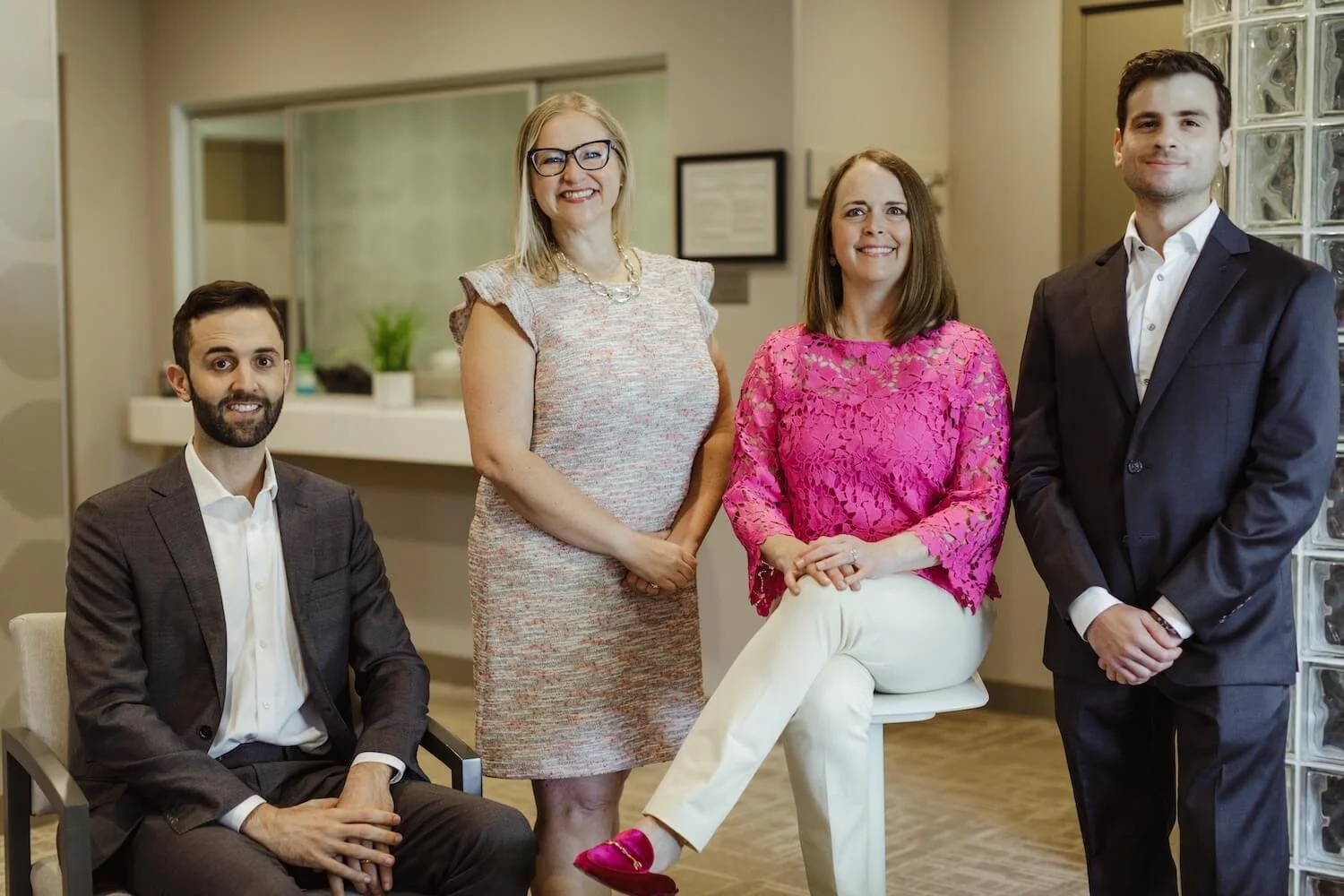
Meet Our Experienced Facial Trauma Team
Our oral and maxillofacial surgeons meet and exceed modern standards for managing and treating facial trauma. Their unique training involves extensive hands-on experience in emergency care, acute treatment, long-term reconstruction, and rehabilitation. Our team is also on staff at local hospitals, providing expert, comprehensive care for complex facial injuries.
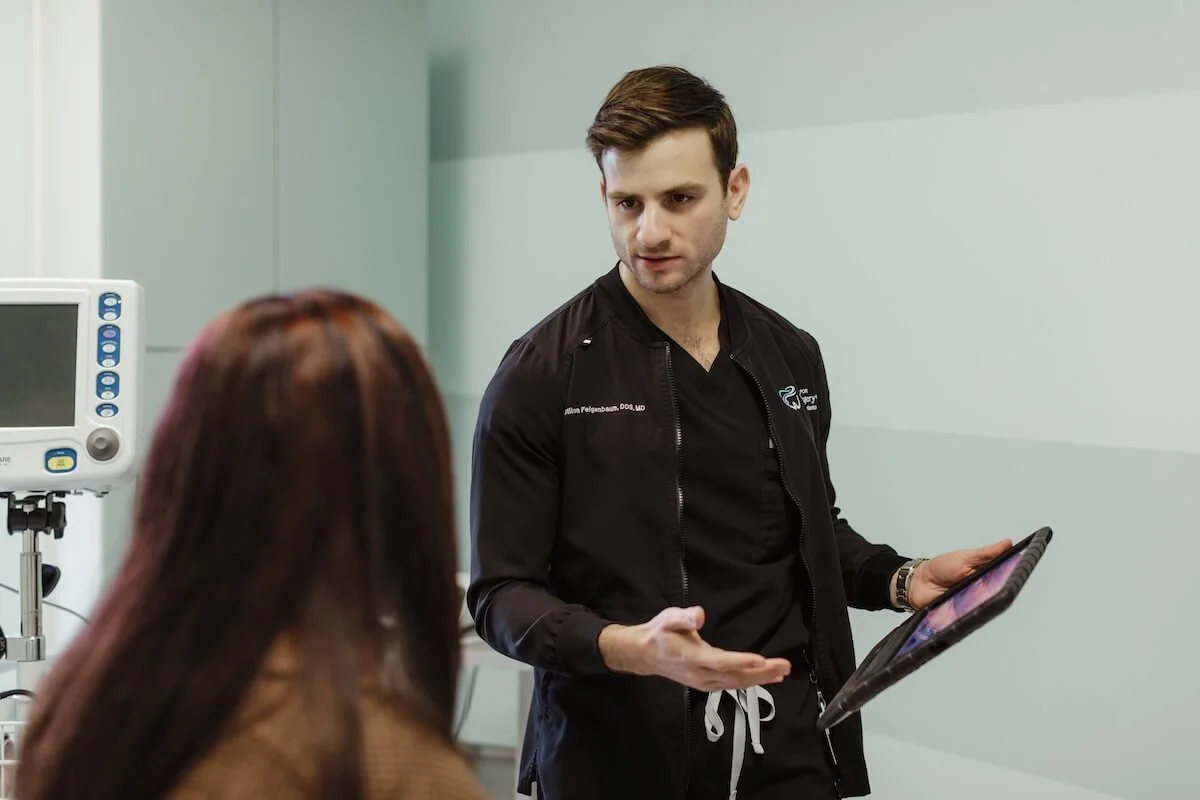
Why Should You Choose the Center for Oral Surgery + Dental Implants?
The proper treatment of facial injuries requires specialists who are well versed in every stage of recovery, from the emergency room to final reconstruction. Our unique qualification in both surgical repair and long-term aesthetic and functional rehabilitation ensures that the care provided will optimize your recovery, function, and appearance.