

Specialized and Stabilizing
Bone Grafting in Grand Rapids & Rockford, MI to Rebuild Jaw Strength
Over time, missing teeth cause the jawbone to atrophy. This loss of bone can lead to shifting teeth and altered facial features, and often prevents patients from receiving the long-term benefits of dental implants. Fortunately, our specialized bone grafting procedures allow us to promote new bone growth where it is needed. This restores proper bone structure, function, and aesthetic appearance, enabling the placement of stable, successful dental implants.
Understanding Bone Loss
In the same way that muscles require exercise, bone tissue is maintained by stimulation. Natural teeth stimulate the jawbone through chewing and biting. When teeth are missing, the jawbone no longer receives this necessary stimulation and begins to break down.
REASONS FOR BONY DETERIORATION
Jawbone loss may require a bone grafting procedure. The most common causes include:
Tooth Extractions: Most bone loss occurs within the first 18 months after a tooth is removed and not replaced, and it continues gradually over time.
Periodontal Disease: Ongoing gum infections can destroy the alveolar bone (the bone that anchors the teeth), leading to progressive loosening and eventual tooth loss.
Dentures/Bridgework: Unanchored dentures do not stimulate the underlying bone, leading to bone resorption. The portion of bridgework spanning a gap also receives no direct stimulation.
Trauma: Injuries that result in tooth loss or jaw fractures stop bone stimulation, leading to rapid deterioration.
Tumors + Osteomyelitis: The surgical removal of bone due to tumors (benign or malignant) or a severe bone infection (osteomyelitis) requires bone reconstruction.
Misalignment + Sinus Deficiencies: Misalignment issues that cause some teeth to lack opposing structure, or the natural enlargement of the maxillary sinus after upper molar removal, can both lead to bone loss.
POTENTIAL CONSEQUENCES OF SEVERE BONE LOSS
Failing to restore bone volume can lead to serious long-term issues:
Facial Structure Changes: Collapsed facial profile, limited lip support, skin wrinkling around the mouth, and distortion of other facial features.
Dental Issues: Misalignment, drifting, loosening, and loss of remaining teeth.
Health and Function: Jaw (TMJ) pain, facial pain, headaches, and difficulty speaking, communicating, or chewing properly.
Bone Grafting Solutions
Bone grafting is the process of replacing missing bone and encouraging your body to generate new bone growth. Our surgeons utilize several techniques depending on your needs.
MAJOR + MINOR GRAFTING
Bone grafting can repair implant sites with inadequate bone structure due to previous extractions, gum disease, or injuries. We classify grafting procedures based on the size of the required reconstruction and the source of the bone needed:
Minor Bone Grafting: These procedures are typically used to repair small defects and prepare a site for a single dental implant. The bone is either obtained from a tissue bank (allograft) or a small amount is taken from your own jaw. Special membranes may be utilized to encourage guided bone regeneration.
Major Bone Grafting: These procedures are typically performed to repair significant jaw defects resulting from traumatic injuries, tumor surgery, or congenital defects. There are many exciting new tools to repair large defects, which often allow us to move forward without needing to take bone from other areas of the body. Our surgeons are regularly learning the newest techniques and expanding treatment options. This allows us to customize care recommendations to your unique circumstances and long-term goals.
ADVANCED GRAFTING TECHNIQUES
We use specialized procedures to address unique areas of bone deficiency:
Socket Preservation Procedure: These procedures are typically performed to repair significant jaw defects resulting from traumatic injuries, tumor surgery, or congenital defects. There are many exciting new tools to repair large defects, which often allow us to move forward without needing to take bone from other areas of the body. Our surgeons are regularly learning the newest techniques and expanding treatment options. This allows us to customize care recommendations to your unique circumstances and long-term goals.
Ridge Augmentation: Performed to rebuild the original height and width of the alveolar ridge (jawbone) that has deteriorated, providing sufficient bone to support a dental implant.
Sinus Lift (Sinus Augmentation): Required in the upper jaw when the maxillary sinus has enlarged due to tooth loss. The procedure raises the sinus floor and places graft material to stabilize the area for implants.
Bone Graft Materials
We use various safe, proven bone graft materials to stimulate new bone formation. Your specific bone grafting material and procedure type will be determined by our surgical team based on the size of the defect and your individual needs.
Surgical Instructions
We provide general surgical instructions on our website for the convenience of our patients. As always, your surgeon will provide instructions for your specific procedure and individual circumstances at your consultation.
PLATELET-RICH Plasma + FIBRIN THERAPY
We offer optional PRP (Platelet-Rich Plasma) and PRF (Platelet-Rich Fibrin) therapy, advanced treatments that use your body’s own natural repair kit to speed up healing.
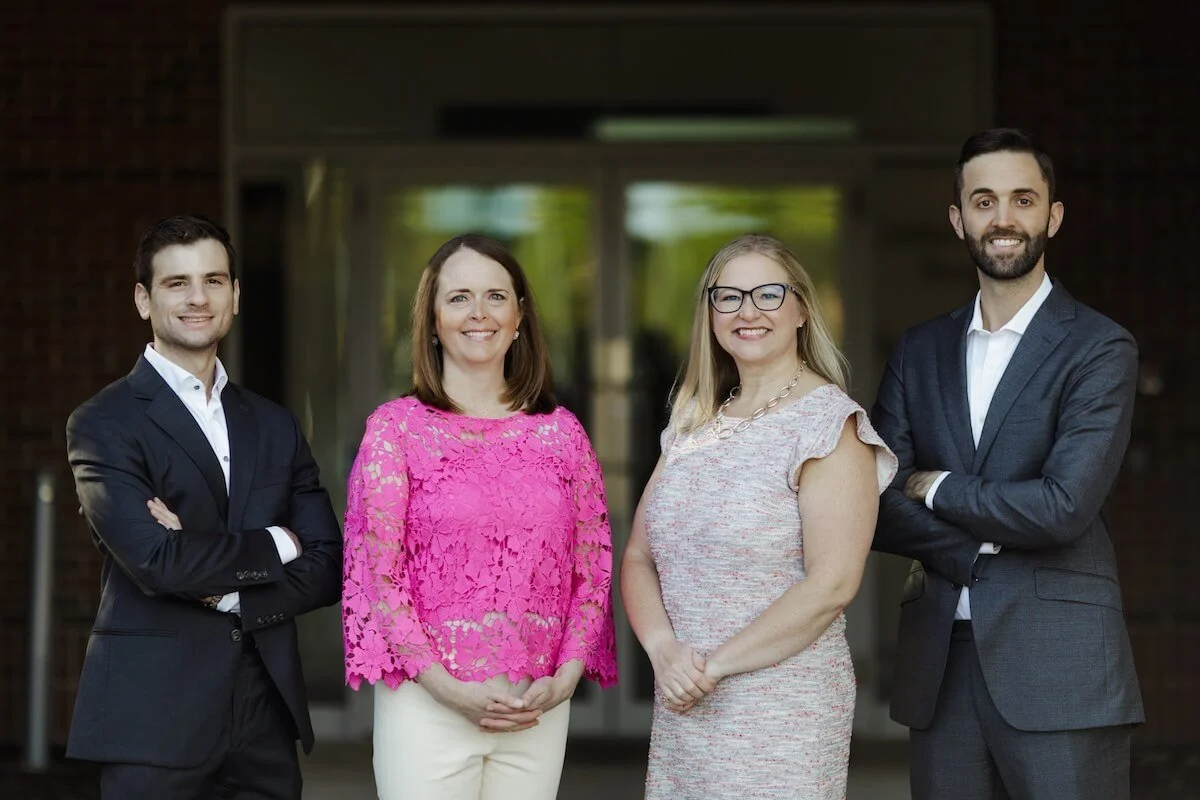
Meet Our Bone Grafting Team
Our team of oral surgery specialists is dedicated to providing the highest level of expertise for complex bone reconstruction. We utilize advanced surgical techniques to restore the quality and quantity of bone needed for predictable dental implant success.

Ready to Restore Your Foundation?
If you've been told you don't have enough bone for dental implants, a bone grafting procedure may be the solution you need.