Does Getting a Dental Implant Hurt? Most Patients Find the Procedure Easier Than They Expected

Key Takeaways
Concern about pain is one of the most common reasons patients put off implant treatment, and the good news is, it's almost always less than they expected. Our team keeps you comfortable from start to finish: the surgical site is fully numbed before we begin, sedation is available, and you won't feel sharp pain during the procedure, only pressure and movement that many patients consider similar to getting a filling done. Any tenderness during healing is typically mild, peaks in the first two to three days, and improves steadily after that. Most patients tell us it was easier than a tooth extraction.
Concern about pain keeps many patients from making the call. According to a 2021 systematic review published in the Journal of Dentistry, roughly 15% of adults worldwide experience dental fear or anxiety. In West Michigan, that anxiety often circles back to one question before patients move forward: Does getting a dental implant hurt? The short answer is that most patients are far more comfortable than they expected, but if you've been putting off treatment, we want to walk you through what the procedure actually involves, what recovery typically looks like, and how we keep you comfortable every step of the way.
Does Getting a Dental Implant Hurt?
For most patients, the honest answer is: much less than you're expecting, and our team works hard to keep it that way.
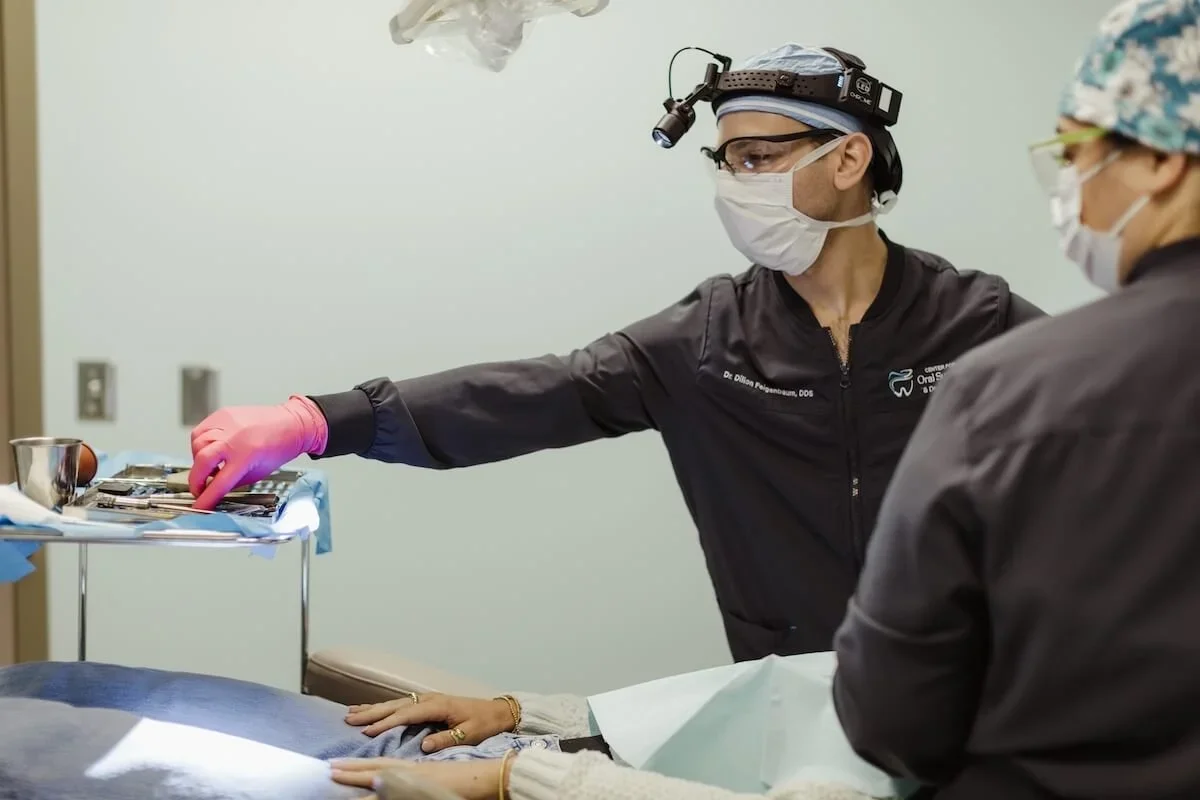
Implant placement can be done under local anesthesia, so the surgical site is numb before anything begins, and sedation is available for patients who want additional support. What you'll notice during surgery is pressure and movement, not sharp pain. Any tenderness in the days that follow is a normal part of healing, and with the right aftercare, it stays well within a manageable range for the great majority of our patients.
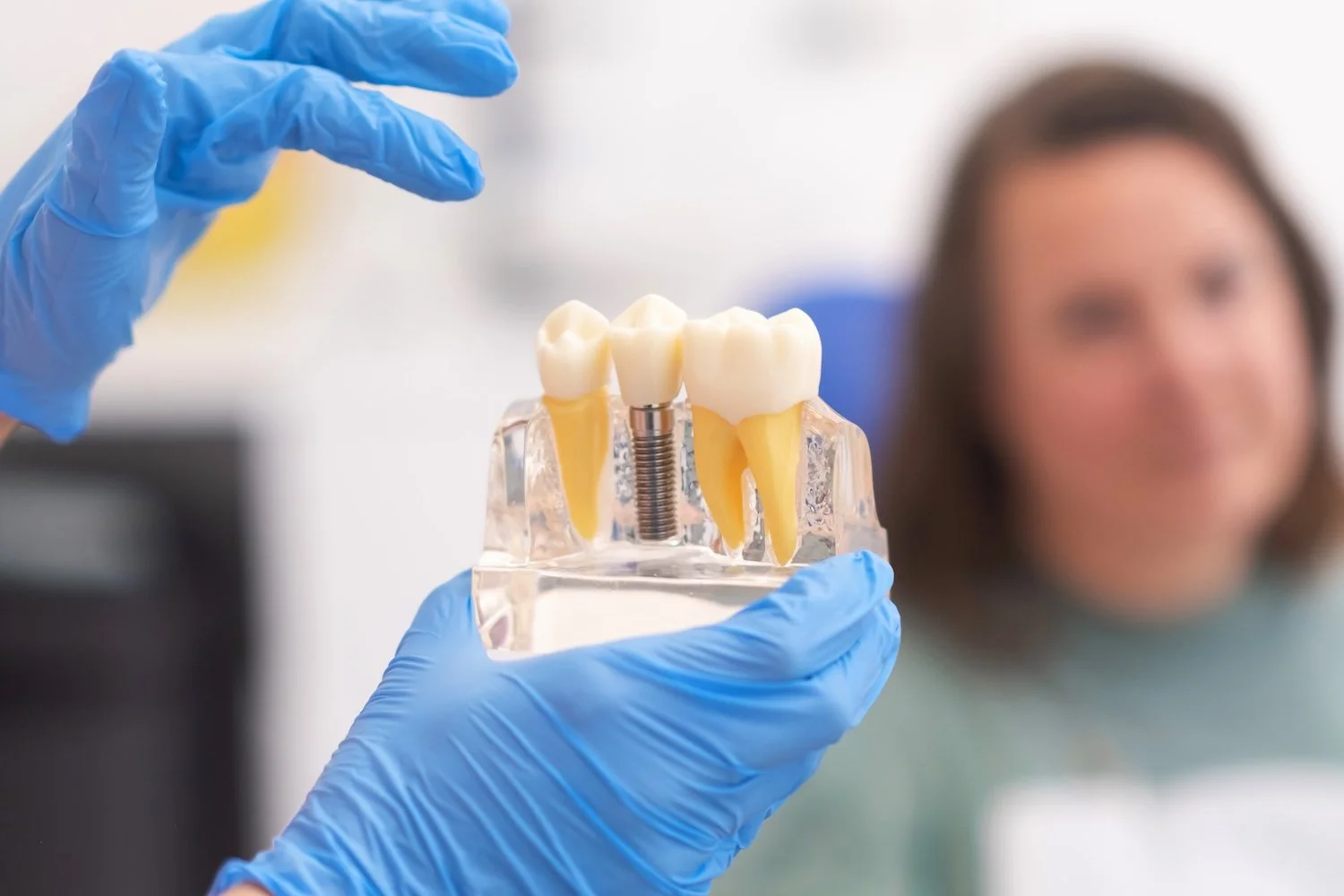
What Happens During the Dental Implant Procedure?
Implant treatment follows a clear, predictable sequence:
Consultation and treatment planning
Diagnostic imaging and treatment mapping
Numbing the surgical area
Placement of the implant post into the jawbone
A healing phase during which the implant integrates with the bone
Knowing the steps before you arrive tends to put patients at ease. For our surgeons, this is a well-established procedure with consistent, predictable outcomes. We walk you through what to expect before anything begins.
What Does a Dental Implant Feel Like During Surgery?
With anesthesia in place, patients typically notice pressure from the instruments, some vibration, and jaw movement. Sharp pain should not be present once the area is properly numb. We monitor your comfort throughout the procedure and respond to any concerns as they come up. If you'd like additional support during surgery, sedation options are available to discuss with your surgeon.
How Long Does Dental Implant Recovery Take?
Recovery follows a fairly predictable course:
| TIMEFRAME | WHAT TO EXPECT | WHAT TO DO |
|---|---|---|
| First 24-72 Hours | Peak soreness and swelling; rest, soft foods, and medication as directed | Rest, apply ice packs, take medications as prescribed, eat soft foods only |
| Days 4-7 | Comfort improves noticeably; swelling begins to resolve | Gentle rinsing, continue soft diet, attend any follow-up appointments |
| Weeks 2-4 | Healing continues with much less discomfort; most patients feel back to normal | Resume most normal activities; avoid hard or crunchy foods until cleared |
| Months 3-6+ | The implant continues integrating with the bone (osseointegration); symptoms are minimal to none | Attend check-up appointments; maintain regular brushing and flossing around the implant site |
The implant continues to integrate with the bone long after symptoms ease, which is why it's important to follow your post-operative instructions throughout the full recovery window, even when you feel fine.
How Does Dental Implant Recovery Compare to Tooth Extraction?
If you've had a tooth pulled, here's something reassuring: patients who have been through both often tell us implant recovery felt comparable to, or easier than, their extraction. Experiences vary depending on case complexity, but that benchmark tends to put things in perspective for anyone who has already made it through an extraction.
What Discomfort Should You Expect After Surgery?
Some post-operative soreness is expected and normal. In the days following your procedure, you'll likely notice:
Mild to moderate soreness at the implant site
Swelling in the surrounding tissue
Minor bruising
Some tenderness around the area, particularly when eating
The first two to three days are usually the most uncomfortable. How much any individual patient experiences depends in part on the scope of their treatment.
Who May Experience More Discomfort After a Dental Implant
More complex treatment plans can mean a more involved recovery. Factors that may affect your experience include:
A need for bone grafting before implant placement
Multiple implants placed in the same procedure
Full arch implant treatment
Individual differences in healing response
Every treatment plan we develop is personalized to you. When a case is more complex, we walk you through exactly what to expect before surgery begins so that there are no surprises.
What Helps the Most During Recovery?
How comfortable your recovery feels often comes down to how closely you follow your aftercare instructions. We generally recommend:
Following the post-operative instructions provided at discharge
Taking medications as directed
Sticking to softer foods for the first several weeks as recommended
Leaving the surgical site alone
Patients who follow these recommendations consistently tend to heal more easily. If something doesn't feel right, reach out to us right away.

What Are Signs You Should Call Our Office?
A few symptoms are worth a call:
Pain that gets worse rather than gradually improving after the first few days
Swelling that increases rather than going down after day three
Signs of infection, such as fever or unusual drainage
Bleeding that does not slow with gentle pressure
Calling early when something feels off is always the right move. Our team is always ready to discuss any questions or concerns.
Ready to Get Started?
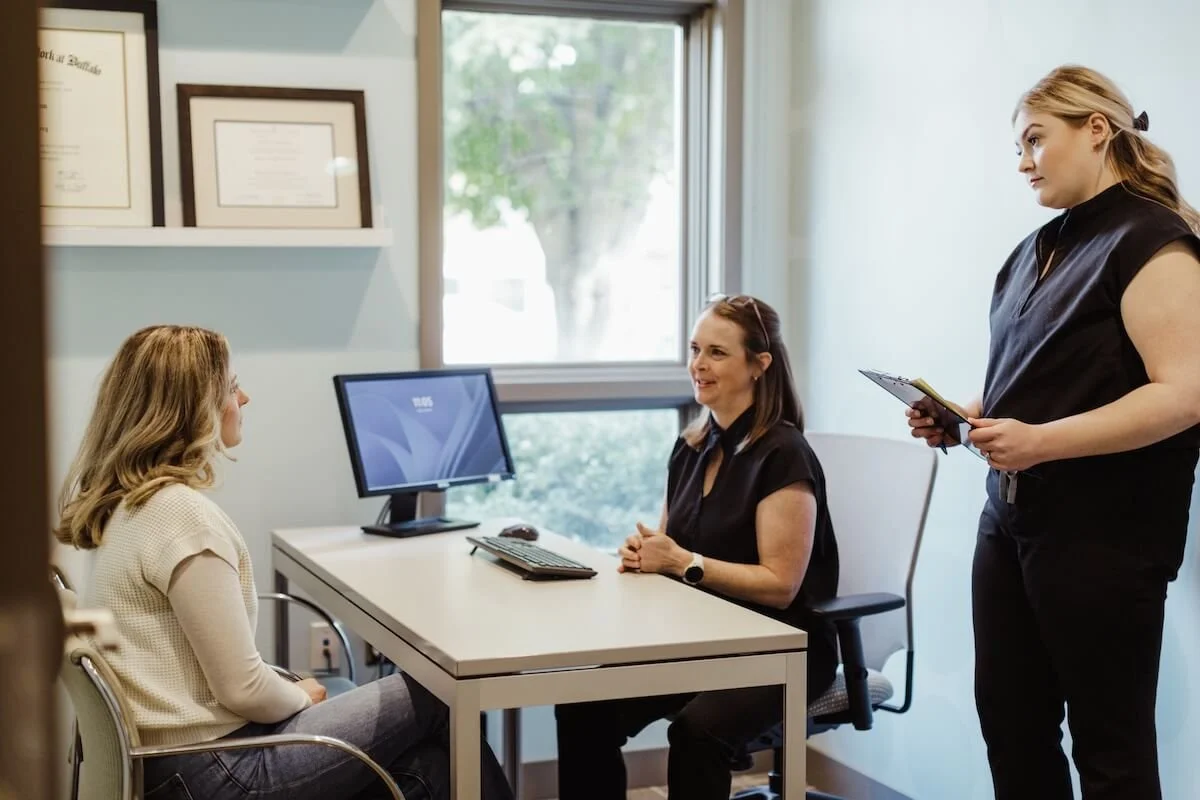
We see patients from across West Michigan at our Grand Rapids and Rockford offices, and keeping you comfortable is a priority at every stage, from consultation to recovery. If concerns about the experience have been holding you back, a consultation is the best place to start. We'll walk you through what the procedure looks like for your specific situation and what anesthesia and sedation options are available to you.
Schedule a consultation with our team today. We're here to make the process as comfortable and straightforward as possible.
Frequently Asked Questions
1. Does a dental implant procedure hurt?
Most patients are genuinely surprised by how comfortable the experience is. We fully numb the surgical area before we begin, so you won't feel sharp pain — only pressure and movement. Sedation is also available for patients who want extra reassurance during surgery.
2. What does recovery feel like after a dental implant?
Expect mild to moderate soreness, some swelling, and tenderness in the first two to three days. Most patients improve noticeably by the end of the first week and feel largely back to normal within two to four weeks.
3. How does dental implant recovery compare to a tooth extraction?
It's often easier. Many of our patients tell us implant recovery feels about the same as, or better than, a tooth extraction. The specifics depend on your case, but that's a reassuring benchmark for anyone who has already been through one.
4. What can I do to reduce discomfort after surgery?
Follow your post-operative instructions closely, take medications as prescribed, eat soft foods for the first several weeks, and avoid disturbing the surgical site. These steps make a real difference in how smooth recovery feels.
5. When should I call the office after my procedure?
Contact us if pain is getting worse rather than better, if swelling increases after day three, if you have a fever or see unusual drainage, or if bleeding isn't slowing with gentle pressure. Don't wait — call us early.
6. Will my case be more complex than average?
Some patients require bone grafting, multiple implants, or full-arch treatment, which can make recovery more complex. We discuss all of this with you before your procedure, so you know what to expect.
7. Do you offer sedation for implant procedures?
Yes. Sedation options are available depending on your case and comfort level. We're happy to discuss what makes sense for you during your consultation.