How to Keep Your Full Arch Implants Healthy Long-Term

Key Takeaways
Full-arch implant restorations (including All-on-4™) are built to last, but they require consistent at-home care and regular professional maintenance to stay that way. Daily brushing, flossing, and water irrigation are non-negotiable. Professional check-ups every two to six months (depending on your health history) allow our team to catch early warning signs before they become serious problems. The good news: with the right habits in place, most of our patients protect their implants for decades.
Full arch implant restorations have changed the way we treat tooth loss. For patients who have lost most or all of their teeth, a non-removable, implant-supported arch offers function, comfort, and confidence that traditional dentures simply can't match. But the work doesn't end when you leave our office.
Like natural teeth, full-arch implants require consistent care, both at home and in the chair. Here's what that looks like, and why it matters.
Why Does Maintenance Matter So Much for Full Arch Implants?
The most significant risk to long-term implant health isn't fracture or mechanical failure. It's biology. Without proper plaque control, the tissue around your implants can become inflamed, a condition called peri-mucositis. Left untreated, that inflammation can progress to peri-implantitis, which involves actual bone loss around the implant. Once bone is lost, it's difficult to recover.
The good news is that both conditions are largely preventable. Consistent oral hygiene and professional recall appointments are your best defense, and ours.
What Does a Good Home Care Routine Look Like?
Your daily routine is the foundation of implant health. We recommend:
Brushing at least twice a day: use a soft-bristled brush and take your time along the gumline where the prosthesis meets soft tissue
Flossing daily: floss threaders or implant-specific floss helps you get underneath the restoration where a standard floss pass can't reach
Using a water irrigator: a Waterpik or similar device is particularly effective for flushing the spaces between your arch and the tissue beneath it
Interdental brushes: small proxy brushes can clean areas your toothbrush misses, especially around abutment connection points
If you're unsure whether your technique is thorough enough, ask us at your next appointment. We can walk you through exactly what to look for and where plaque tends to accumulate on your specific restoration.
How Often Should Full Arch Implant Patients Come In?
For most of our patients, we recommend professional maintenance appointments with your restorative doctor every two to six months. Where you fall in that range depends on your individual risk profile.
Factors that may mean more frequent visits include a history of periodontitis, smoking, systemic conditions like diabetes, or limited manual dexterity that makes home care more challenging. We'll help you find the right schedule and stick to it.
At these visits, our team will:
Assess the soft tissue around your implants for any signs of inflammation, including redness, swelling, bleeding on probing, or changes in pocket depth
Check for plaque and calculus buildup, which we remove using instruments compatible with your restoration's material
Review radiographs at appropriate intervals (typically every one to two years) to monitor bone levels
Evaluate the mechanical stability of your restoration
What Are the Warning Signs I Should Watch For?
Between appointments, pay attention to changes. Contact our office if you notice:
Swelling, redness, or tenderness around your implants
Bleeding when you brush or use your water irrigator
A loose feeling in your restoration
Persistent bad breath or an unusual taste that doesn't go away with brushing
Any clicking, rocking, or shifting in the prosthesis
These symptoms don't always mean something is seriously wrong, but they do mean we want to take a look. Early intervention is almost always simpler and less costly than addressing a problem that's had time to progress.
What Happens at a Professional Maintenance Appointment?
A lot more than a cleaning. Here's a closer look at what we monitor and why:
| What We Assess | What We're Looking For | Why It Matters |
|---|---|---|
| Soft tissue health | Redness, swelling, bleeding, pocket depth changes | Early sings of peri-mucositis or peri-implantitis |
| Plaque and calculus | Buildup at the gumline and beneath the prosthesis | Primary driver of inflammation and bone loss |
| Radiographic review | Bone levels at implant sites | Detects bone changes before symptoms appear |
| Restoration fit | Passive fit, screw tightness, component stability | Mechanical problems can accelerate biological ones |
| Medical history update | New medications, systemic conditions, lifestyle changes | Some changes affect implant health and maintenance frequency |
The implant continues to integrate with the bone long after symptoms ease, which is why it's important to follow your post-operative instructions throughout the full recovery window, even when you feel fine.
Do Full Arch Implants Ever Need to Be Removed for Cleaning?
This is one of the questions we hear most often, and the answer is: usually not. According to the American College of Prosthodontists' Maintenance of Full-Arch Implant Restorations position statement, routine removal of full-arch, implant-supported restorations is not recommended. In most cases, professional hygiene can be performed with the restoration in place, using instruments compatible with your prosthesis material.
Removal is considered only when adequate cleaning isn't possible with the restoration in place or when a mechanical complication requires evaluation. We'll let you know if that situation ever applies to you. It's far less common than most patients assume.
Ready to Schedule Your Next Maintenance Appointment?
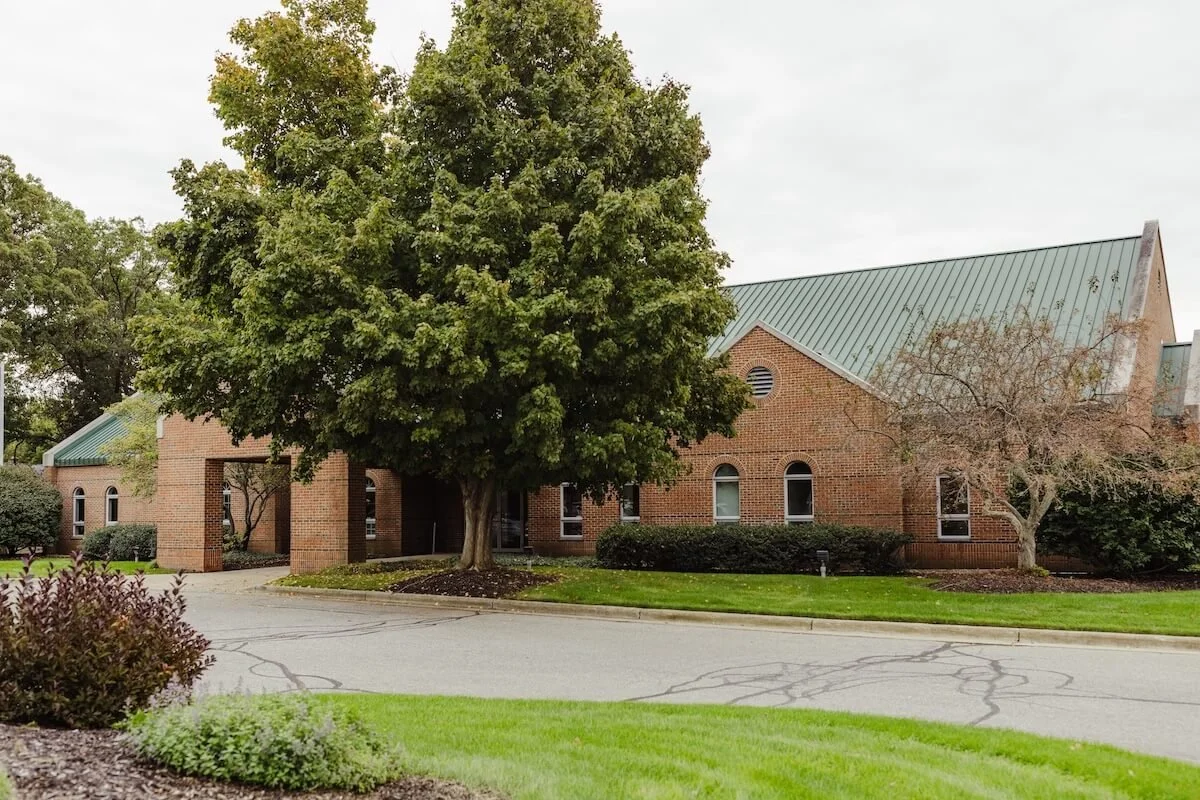
Whether you're a current patient due for your recall or someone considering full arch implant treatment, our team at the Center for Oral Surgery + Dental Implants is here to help. We serve patients throughout West Michigan from our offices in Grand Rapids and Rockford. Let's make sure your smile is built to last.
Frequently Asked Questions
1. Can I use a regular toothbrush on my full arch implants?
A soft-bristled manual or electric toothbrush works well for the accessible surfaces of your restoration. The key is technique: angle the bristles toward the gumline and spend enough time along the tissue margin. We can show you exactly what that looks like at your next visit.
2. What happens if I miss a few professional maintenance appointments?
Plaque and calculus can accumulate in areas you can't reach at home, and early tissue changes can go undetected. We're not here to lecture you. We're here to help you protect a significant investment. If you've missed some appointments, just give your dentist a call. It's never too late to get back on track.
3. Is it normal to have some bleeding when I brush around my implants?
Occasional minor bleeding isn't unusual when you're first building a thorough routine. But persistent or heavy bleeding is a sign that inflammation may be developing, and we want to take a look. Don't wait for your next scheduled appointment. Reach out to our team.
4. Will my full arch implants last forever if I take good care of them?
The implants themselves (the titanium posts) are designed to last 15-20 years or more for most patients. The prosthetic restoration (the teeth) may need adjustments or replacement over time, depending on wear and material. Good maintenance significantly extends the life of both.
5. Does smoking affect my full arch implant maintenance schedule?
Yes. Smoking is one of the factors that increases the risk of peri-implant disease and may mean you need more frequent professional appointments. If you're interested in cessation resources, we're happy to point you in the right direction.