When Is Wisdom Teeth Removal Necessary? Signs, Risks & Timing
Key Takeaways
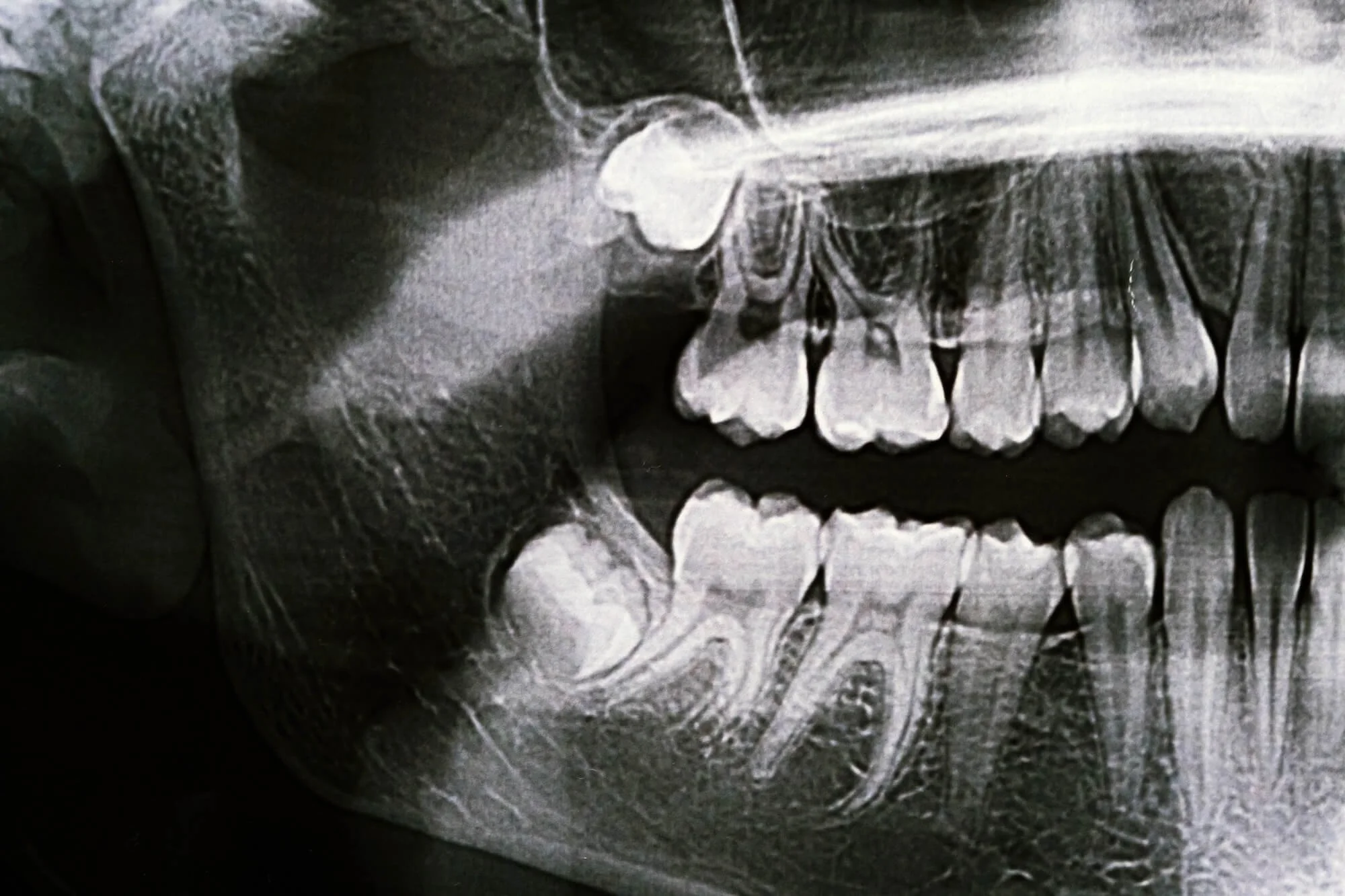
Most wisdom teeth problems come down to a simple lack of room, which is why nine out of ten people have at least one impacted tooth. Watch for jaw pain, swelling, or a lingering bad taste near your back teeth, and do not wait too long to get it checked. Even if wisdom teeth are not causing pain, they can still have problems that require removal. An exam and X-rays, not your age alone, are what determine whether removal is the right call.
What Are Wisdom Teeth, and Why Do They Cause Problems?
Wisdom teeth are the third molars, and they're the last teeth to develop, usually in the teens or early twenties. By then, most mouths don't have room for them. Without enough space, a wisdom tooth is impacted, meaning it stays partly or fully hidden below the gumline. A partially erupted tooth can trap food and bacteria, which can lead to infection and swelling.

What Are the Signs You May Need Wisdom Teeth Removal?
Watch for jaw pain or pressure at the back of the mouth, swollen or bleeding gums, a lingering bad taste or bad breath, or swelling along the jawline, especially after eating or at night. Repeated infection, decay, gum disease, or a cyst forming around an impacted tooth are also clear reasons to remove it. If any of these symptoms keep returning in the same spot, it is time for an evaluation.
What Happens If You Wait Too Long?
Putting off treatment rarely makes things easier. An isolated infection can progress to deeper gum and bone damage, and roots become more fully formed and harder to remove the longer a problem tooth is left in place. Many oral surgeons find the mid to late teens to be the easiest window for removal, but the right timing always depends on your tooth position and development, and what your X-rays show.
Do All Wisdom Teeth Need to Come Out?
Not necessarily. A healthy, fully erupted wisdom tooth that is easy to clean and not damaging anything nearby can often be monitored with regular exams and X-rays rather than removed. Impacted or partially erupted teeth are far more likely to trap bacteria or cause problems, which is why they're most often recommended for removal.
What Are the Risks of Wisdom Teeth Removal?
Like any surgical procedure, wisdom teeth removal carries some risk: pain, swelling, and light bleeding are common for the first day or two, and dry socket is one of the more common complications. In rare cases, nearby teeth, nerves, bone, or sinuses can be affected, but many of these complications can be prevented with early removal. Our surgeons review your symptoms and X-rays before every recommendation, and we discuss anesthesia options from your first visit.
What Does Recovery Look Like?
Recovery typically involves a few days of swelling and discomfort, along with a short stretch of soft foods and limited activity. We send every patient home with specific instructions for managing pain and caring for the surgical site, since following them closely makes healing go more smoothly.
Why Choose the Center for Oral Surgery + Dental Implants?
The Center for Oral Surgery + Dental Implants has served West Michigan since 1981. Our team of four surgeons brings a combined 57 years of experience, and our offices in Grand Rapids and Rockford treated nearly 4,000 patients last year. As a women-owned practice, we approach wisdom teeth removal with a thorough exam and a plan tailored to your situation.
Ready to Find Out If Removal Is the Right Next Step?
If you have been dealing with jaw pain, recurring infection, or a wisdom tooth your dentist has been watching, a personalized evaluation is the clearest way to know what comes next. Take the next step and request an appointment with our West Michigan team.
Frequently Asked Questions
1. Is wisdom teeth removal painful?
Most patients feel pressure rather than sharp pain during the procedure, thanks to anesthesia tailored to your comfort. Some soreness and swelling afterward are normal and usually ease within a few days.
2. Do all four wisdom teeth need to come out at once?
Not always. Many patients don't have room for any of their wisdom teeth, so removing all four at once helps prevent future problems. Others only need one or two removed, depending on which teeth are causing trouble.
3. What is dry socket?
Dry socket happens when the healing blood clot is dislodged from the extraction site. It is one of the more common complications, and our team will walk you through how to reduce your risk.