Pain in the Back of Your Mouth? It Could Be an Impacted Wisdom Tooth

Key Takeaways
Impacted wisdom teeth are extremely common, and most patients have no idea they have one until symptoms show up or a dentist spots something on an X-ray. When a wisdom tooth can't come in properly, it doesn't just stay put. It creates pressure, raises infection risk, and can quietly affect the teeth around it. Treating it early is almost always simpler than waiting.
Wisdom teeth are the last molars to develop, and for many people, there simply isn't enough room for them. When that happens, they can get stuck beneath the gum surface, partially erupt, press against neighboring teeth, and even form cysts that destroy bone in the area. This can cause real problems over time. Understanding what's happening and why it matters can help you make a confident decision about next steps.
What Does It Mean When a Wisdom Tooth Is Impacted?
Impaction means the tooth is trapped and cannot be used for chewing. It can't break through the gum surface on its own, either because the jawbone is blocking it, there isn't enough space, or it's growing at an angle that makes eruption impossible. Some impacted teeth stay completely beneath the surface. Others partially emerge but stall, leaving a flap of gum tissue over the tooth that's difficult to clean and easy for bacteria to settle under.
What Are the Signs Something Might Be Wrong?
Symptoms vary quite a bit from person to person. Some patients come in with significant discomfort; others find out about an impaction at a routine dental visit with no symptoms at all. When signs do appear, they tend to include:
Pain or pressure near the back of the jaw
Swelling or tenderness in the surrounding gum tissue
Bleeding around the area
Inflammation of the gum covering the tooth
If you're noticing any of these, it's worth having it looked at. Infections related to impacted wisdom teeth can develop quickly and are much easier to manage when addressed early.
Why Don't Wisdom Teeth Always Come In Properly?
It comes down to space. Human jaws have gotten smaller over time, but our tooth count hasn't changed. When the jaw simply doesn't have room for a third molar, the tooth gets lodged against whatever is in its way. Jaw length, tooth size, and the angle of eruption all play a role, and there's often a hereditary component. It's not something patients can prevent or predict on their own.
It's also worth knowing that in roughly 10 to 25 percent of people, one or more wisdom teeth never develop at all. Not being able to see a wisdom tooth doesn't automatically mean there's not a problem.
What Can Happen If an Impacted Tooth Is Left Alone?
This is where things get more serious. An impacted wisdom tooth that isn't addressed can affect more than just the immediate area. Over time, patients may experience:
Shifting of neighboring teeth as the impacted tooth pushes against them
Gum pockets that trap bacteria and increase the risk of cavities in adjacent teeth
Sinus pressure, congestion, and discomfort in the upper jaw
Cyst development around the tooth, which can erode the surrounding jawbone
Jawbones also become denser with age, which makes extraction more involved the longer it's delayed. Early treatment tends to mean a shorter procedure and a smoother recovery.
How Is an Impacted Wisdom Tooth Diagnosed?
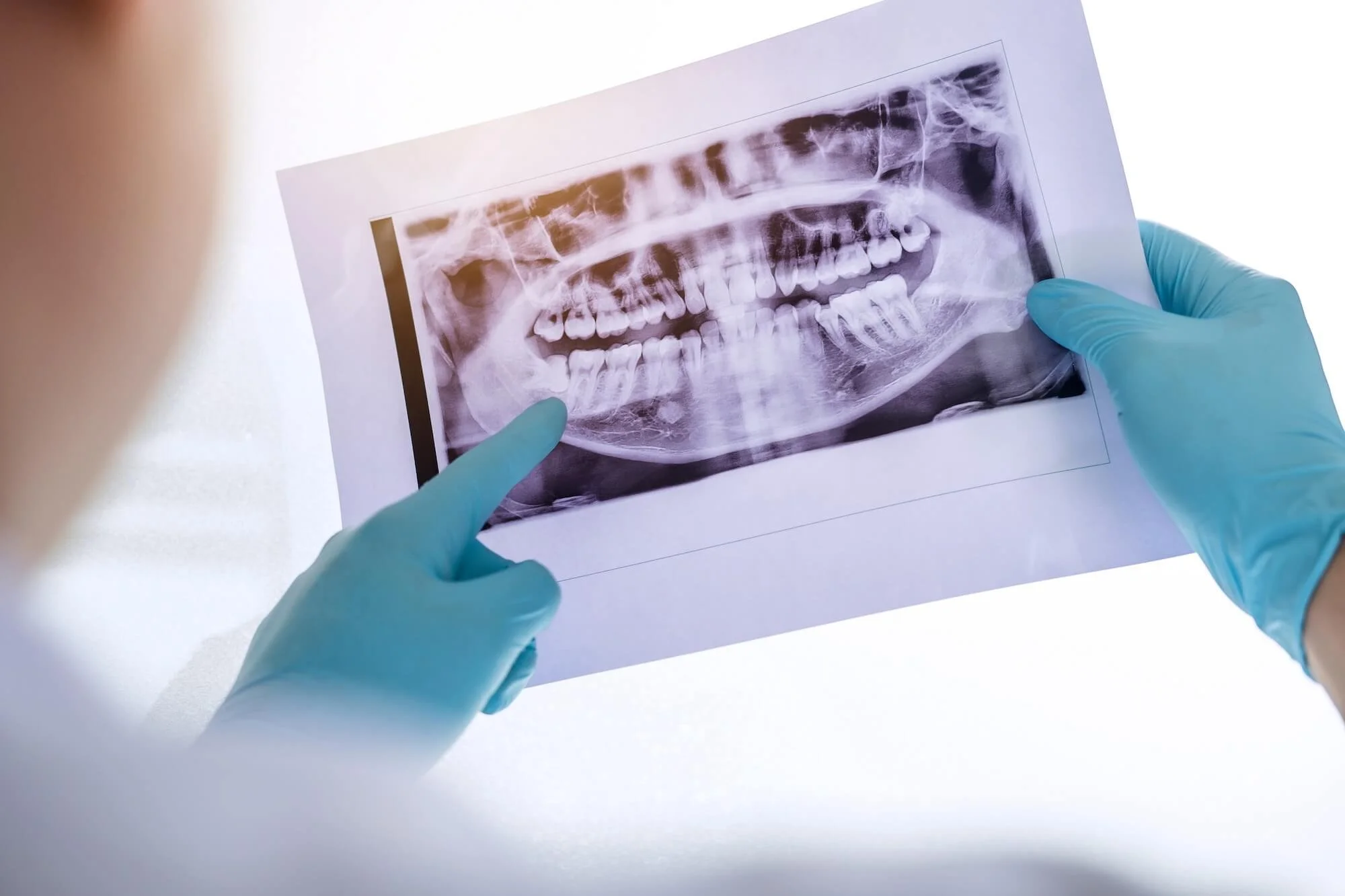
Some partially erupted teeth are visible during an exam. Most impactions, though, can only be confirmed through X-ray. That's something your general dentist will typically catch during a routine visit, and many patients are referred to us from there. If your dentist has flagged a concern, we'll take our own imaging and give you a clear picture of what's going on before recommending anything.

Seeing Patients Across West Michigan
Our board-certified oral and maxillofacial surgeons see patients from Grand Rapids, Rockford, and throughout West Michigan. Wisdom tooth removal is one of the most common procedures we perform, and our team is experienced in keeping patients comfortable from consultation through recovery.
If you've been referred by your dentist, or you're dealing with symptoms and want answers, we're glad to take a look. Give us a call or request a consultation online at either of our locations.
Frequently Asked Questions
1. What is an impacted wisdom tooth?
It's a wisdom tooth that can't come in properly because there isn't enough room, the jaw is blocking it, or the tooth is angled in a way that prevents normal eruption. The tooth gets stuck beneath the gum or bone and can cause a range of problems if left in place.
2. Do impacted wisdom teeth always cause symptoms?
No. Many patients have impacted wisdom teeth with no pain or noticeable symptoms. That's why routine dental X-rays are important. By the time symptoms appear, the situation has often been developing for a while.
3. Is it necessary to remove an impacted wisdom tooth?
In most cases, yes. Even when an impacted tooth isn't causing immediate symptoms, the risk of infection, crowding, and cyst development tends to increase over time. Our team will evaluate your specific situation and give you an honest recommendation.
4. How difficult is wisdom tooth removal?
It depends on the tooth's position and how deeply it's impacted, but wisdom tooth removal is one of the most routine procedures our surgeons perform. We offer local anesthesia, nitrous oxide sedation and, and IV general anesthesia options to make sure you're comfortable throughout.
5. What does recovery look like?
Most patients feel well enough to return to normal activities within a few days. Swelling and tenderness in the first 48 to 72 hours is normal and manageable with prescribed medication and rest. We send you home with detailed aftercare instructions and are available if anything comes up.
6. At what age should wisdom teeth be evaluated?
We generally recommend an evaluation in the early teenage years. 15-17 is a perfect time for your consultation, before the jawbone has fully hardened. That said, impacted wisdom teeth can be addressed at any age. If yours have never been checked or a concern has recently come up, it's not too late to find out where things stand.