Keeping You Safe: How We Prevent Infections
Key Takeaways
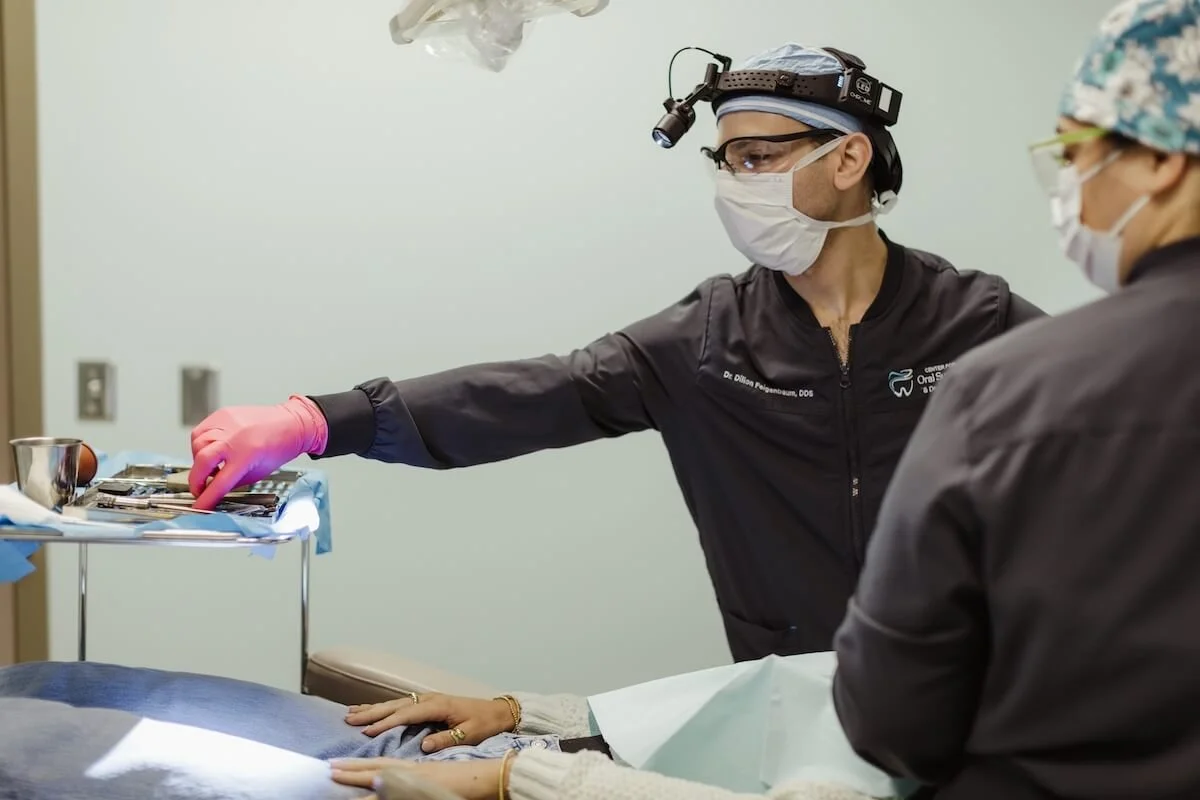
Patient safety is our top priority. To prevent the spread of illness and protect you from infection, our clinical team strictly adheres to rigorous sanitation standards. This includes frequent and thorough handwashing, the consistent use of personal protective equipment (PPE) such as medical-grade gloves and masks, and the meticulous disinfection or sterilization of all medical equipment and office surfaces between patients. Because oral surgery carries a higher risk of exposure than routine dental care, we also implement specialized surgical safeguards—including sterile surgical gloves and sterile water delivery systems—to ensure the safest possible environment for your procedure.
How Does Our Oral Surgery Practice Keep Patients Safe From Infection?
Though we may look a bit impersonal in our protective glasses, masks, and gloves, we wear these things to protect you from infection. For the same reason, we’re fanatics about keeping equipment and patient-care rooms clean. These steps help us to avoid spreading illnesses. Here are answers to the most common questions patients ask us about how we keep you safe.
Why Do Oral Surgeons Wash Their Hands Frequently?
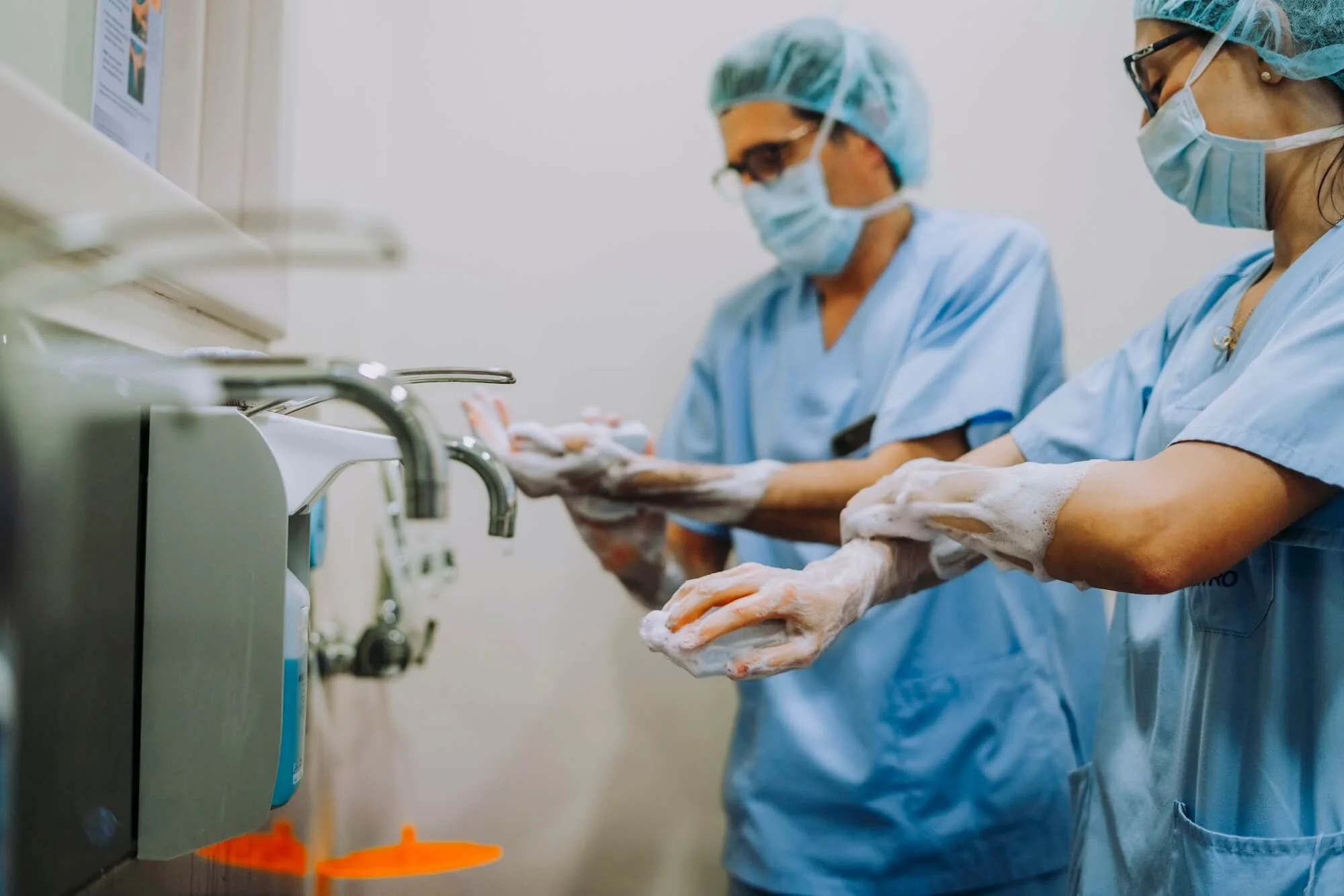
Unclean hands are the most common cause of infections. Our oral surgeons, surgical assistants, and other dental healthcare staff wash their hands often and thoroughly. We wash our hands:
Before and after treating each patient
When they are visibly dirty
Before putting on and after removing gloves
After touching instruments or equipment that may have blood or saliva with bare hands.
How Do Gloves, Masks, and Protective Gear Prevent Dental Infections?
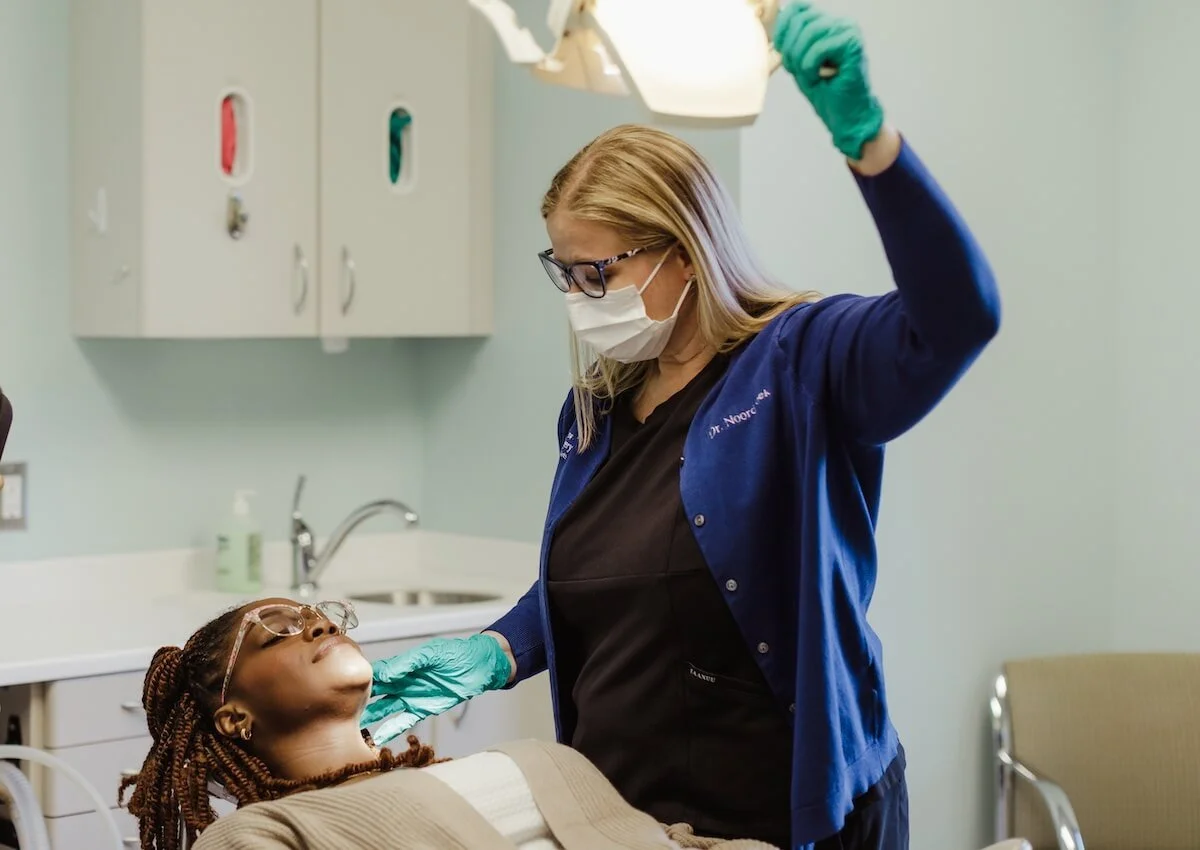
Like handwashing, wearing gloves, masks, and protective eyewear reduces the risk of infection. Our oral surgeons, surgical assistants, and other dental healthcare staff always wear gloves when caring for patients. We throw away gloves after each patient and put on new ones before treating the next patient. We also wear protective clothing, such as a reusable or disposable gown, during oral surgery and whenever we expect to have contact with blood, saliva or other materials that may be infectious.
How Do Dental Offices Sterilize Equipment and Disinfect Patient Rooms?
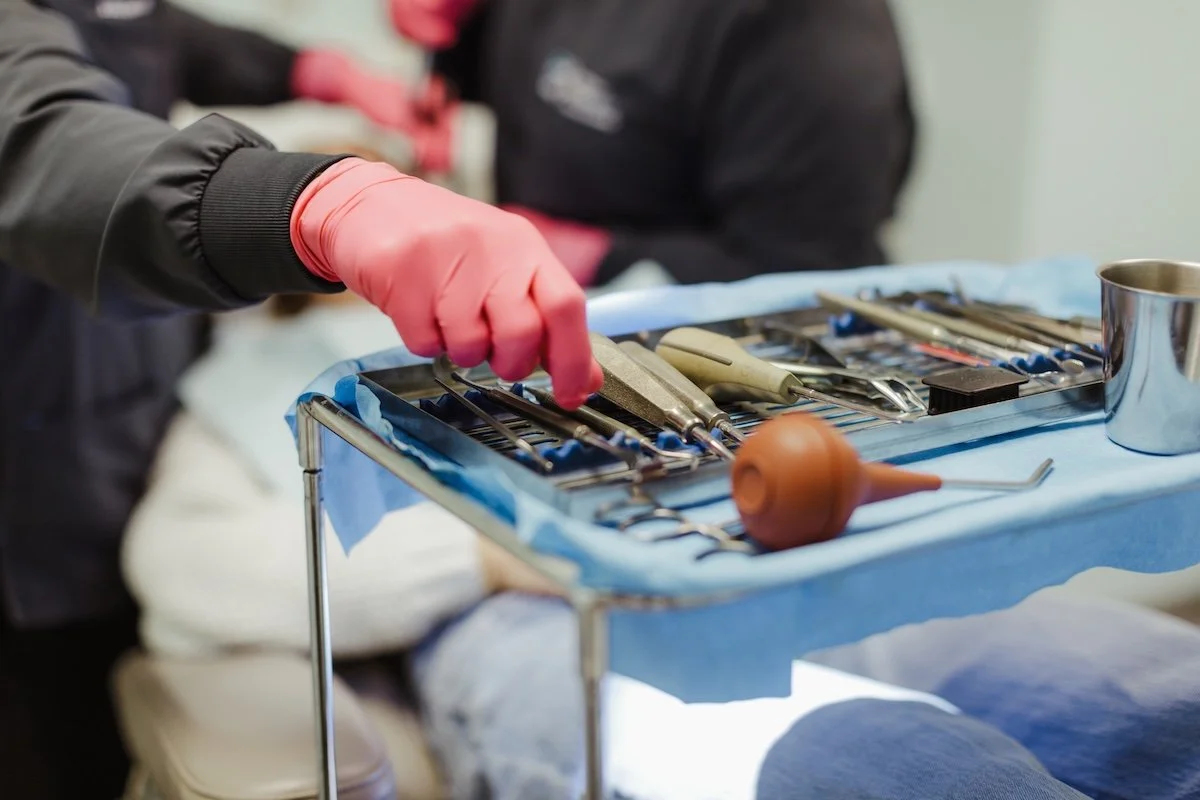
Between patients, The Center For Oral Surgery & Dental Implants cleans, disinfects, or sterilizes all non-disposable dental instruments and equipment. We also clean and decontaminate all frequently touched surfaces or replace protective covers. Such surfaces include the dental chair, dental light, instrument tray, countertops, and drawer handles. We use specialized disinfectants and/or detergents designed for use in dental offices and other healthcare settings.
Is Infection Control Different for Oral Surgery vs. General Dentistry?
We take extra steps to prevent infection because things that cause infections are more likely to enter the body during oral surgery than during a regular visit to the dentist. Extra steps that we take to prevent infection include:
Using special surgical hand cleaners
Wearing sterile surgeon’s gloves
Using sterile water and sterile equipment to deliver the water.

Experience Safe, Expert Care You Can Trust
Your health, comfort, and peace of mind are at the center of everything we do. At the Center for Oral Surgery & Dental Implants, we pair world-class surgical expertise with the highest standards of safety and infection control, ensuring you can move forward with your treatment with total confidence.
If you have questions about our safety protocols or are ready to schedule your consultation, our friendly team is here to help.
Frequently Asked Questions
1. What surfaces are cleaned between patients?
We thoroughly clean and decontaminate or replace protective barriers on all frequently touched surfaces between every patient appointment. This includes the patient dental chair, the dental examination light, instrument trays, countertops, and cabinet or drawer handles using hospital-grade disinfectants.
2. Are dental instruments reused?
Any dental instruments that are not single-use disposable items undergo a rigorous, multi-step cleaning and sterilization process between patients. This process eliminates any potential pathogens, ensuring every tool used during your procedure is completely sterile.
3. Why do oral surgeons use sterile water?
During oral surgery, standard tap or municipal water is not sufficient because bacteria naturally present in everyday water lines could introduce infection into surgical sites. We use specialized, sterile water and sterile delivery equipment to ensure that everything coming into contact with your surgical wounds is completely germ-free.