Bone Grafting for Dental Implants: What Patients Should Know
Key Takeaways
Being told you don't have enough bone for dental implants isn't the end of the road. Bone grafting can often rebuild your jawbone, giving implants the stable foundation they need to succeed. The procedure is routine for our team, recovery is manageable, and we'll be with you every step of the way. If you've been living with missing teeth or have been turned away elsewhere, a consultation is a great place to start.
Many patients have been told they aren't candidates for dental implants, often without much of an explanation. In most cases, the issue is bone loss, and bone grafting is what makes implants possible again. Here's what that process actually looks like.
What Is Bone Grafting for Dental Implants?
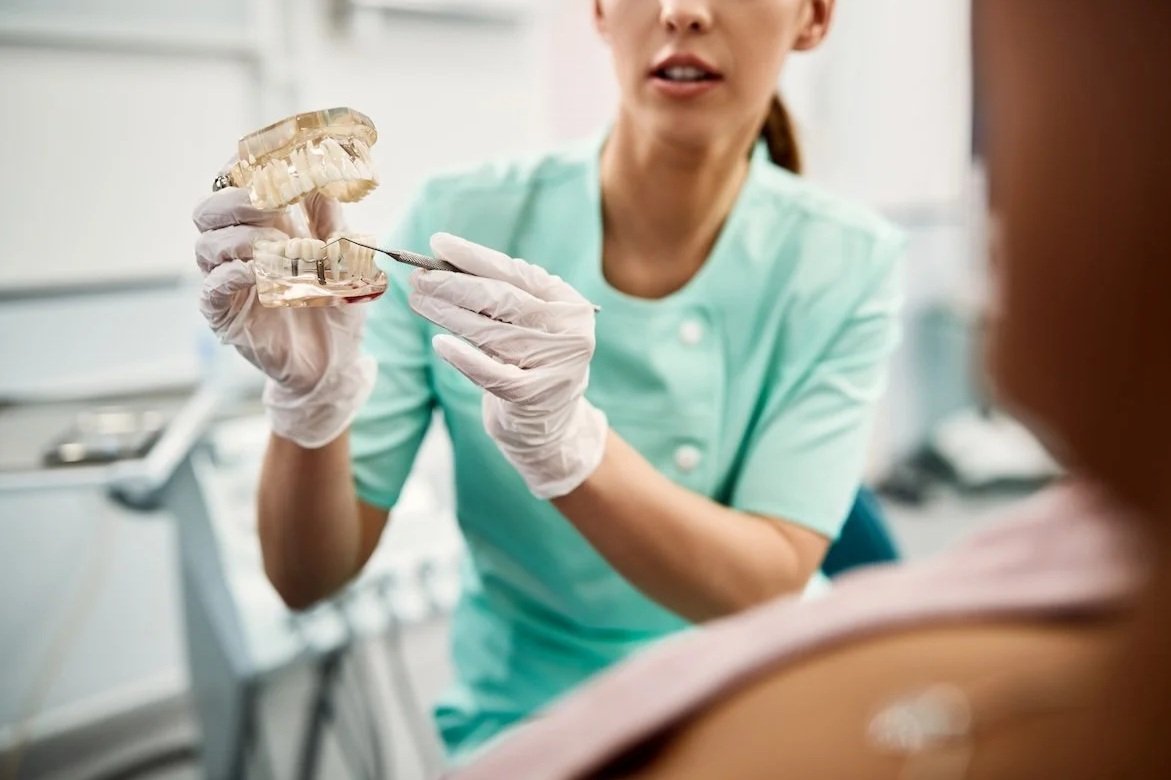
Bone grafting is a procedure that rebuilds the jaw where bone has been lost. We place grafting material at the treatment site, and over time, your body integrates it, filling the area with new bone that can support a dental implant.
The type of material we use depends on your situation. Options include bone from another part of your own body, processed donor bone, animal-derived bone material, and synthetic alternatives that have become very reliable. Whatever the source, the goal is the same: enough bone volume and density for an implant to anchor properly and last.
Why Would I Need Bone Grafting Before Getting an Implant?
Dental implants fuse with the jawbone in a process called osseointegration. For that to work, there needs to be enough bone at the implant site to hold the implant steady while it heals and stay strong through normal biting and chewing.
Bone loss that requires grafting most commonly comes from:
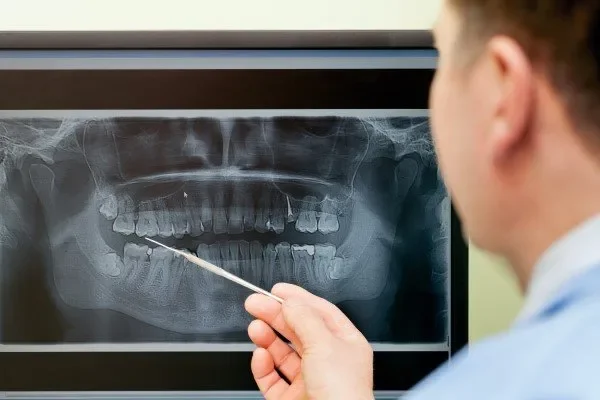
Missing teeth: Once a tooth is gone, the jawbone stops receiving the stimulation it needs and gradually shrinks
Gum disease: Damages the bone around affected teeth
Long-term denture use: Dentures sit on gum tissue rather than stimulating bone, which speeds up bone loss over time
Trauma: Or injury to the jaw
The longer a tooth has been missing, the more likely some grafting will be needed. That's one reason we encourage patients to think about implant planning early, even if they're not ready to move forward just yet.
What Types of Bone Grafting Procedures Are There?
The right approach depends on where the bone loss is, how much needs to be restored, and what your implant plan requires.
| PROCEDURE | WHEN IT'S USED | WHAT IT ADDRESSES |
|---|---|---|
| Socket Preservation | At the time of tooth extraction | Prevents bone loss before it starts; protects ridge dimensions for future implant placement |
| Ridge Augmentation | When the jaw ridge has already lost volume | Restores the width or height needed to position an implant correctly |
| Sinus Lift | Upper back tooth regions with limited bone height | Adds bone between the jaw and sinus floor to support upper jaw implants |
| Block Graft | Cases of more advanced or significant bone loss | Rebuilds larger volumes of missing bone using a secured block of grafting material |
Socket preservation is worth a special mention because it's done at the time of extraction, before bone loss begins. If you're expecting to have a tooth removed, talking with our team early can save you a more involved procedure down the road.
What Is the Bone Grafting Process Like?

We start with a consultation and imaging as necessary to measure your jawbone's dimensions and density. That information guides our surgical plan and helps us recommend the right grafting approach for you.
From there, we place the grafting material, close the area, and let healing begin. The bone regeneration phase is the longest part — typically a few months before we can move forward with implant placement. That's just how long it takes the body to build new bone. Most patients find the wait easier once they know the process is working the way it should and that it's setting them up for a stronger, longer-lasting result.
Is Bone Grafting Painful?
Most patients tell us it was more manageable than they expected. We perform bone grafting under local anesthesia, nitrous oxide (laughing gas) or IV anesthesia—whichever is the right fit for you—and we'll talk through that together before anything begins.
After surgery, some mild tenderness, swelling, and minor bleeding in the first few days is completely normal. Bone grafting sites do tend to swell on the outside of your face. This is your body’s signal to the bone to turn over into you by an inflammatory process. It's all part of healing, and it's well-managed with the medication we prescribe. We'll send you home with clear instructions, and we're always available if questions come up.
Do I Definitely Need Bone Grafting Before an Implant?
Not necessarily. Some patients have enough bone to move straight to implant placement. Whether you need grafting depends on your jawbone at the time of your evaluation, and a consultation with imaging is the only way to know for sure.
What we want you to know is this: needing a bone graft doesn't mean implants aren't possible. For most patients, it just means there's one more step before we get there — and we're happy to walk that path with you.
Ready to Find Out If You're a Candidate?
Our board-certified oral and maxillofacial surgeons have been caring for West Michigan patients for decades. If you've been told implants aren't an option, or you're just not sure where you stand, we'd love to take a look. We'll evaluate your bone volume, explain your options clearly, and build a plan around your specific situation.
Schedule a consultation at our Grand Rapids or Rockford office today. We're here to help you figure out what's possible.
Frequently Asked Questions
1. What is bone grafting for dental implants?
Bone grafting is a procedure that rebuilds the jawbone where bone has been lost, creating the stable foundation a dental implant needs to anchor and last. Grafting material (which can come from your own body, a donor, or a synthetic source) is placed at the treatment site, and your body integrates it over several months as new bone forms.
2. Why would I need a bone graft before getting a dental implant?
Dental implants fuse with the jawbone to function. If there isn't enough bone volume or density at the implant site, the implant can't anchor properly. Bone loss most commonly results from missing teeth, gum disease, long-term denture use, or jaw trauma. Grafting restores what was lost so that implant placement can proceed successfully.
3. How long does bone grafting take to heal?
The integration period typically spans several months, depending on the extent of grafting and how your body heals. While that timeline can feel long, it reflects the natural process of bone regeneration, and the result is a more reliable foundation for your implant.
4. Is bone grafting painful?
Most patients are relieved by how manageable it is. The procedure is performed under anesthesia, so you won't feel sharp pain during surgery. Afterward, mild tenderness, swelling, and minor bleeding are normal and are well-controlled with prescribed medication. We provide clear aftercare instructions and are available if anything comes up.
5. Can I get a dental implant without bone grafting?
Some patients can. Whether you need grafting depends on your jawbone condition at the time of evaluation. A consultation and 3D imaging are the only way to know for certain.
6. I was told I'm not a candidate for implants. Does that mean bone grafting can help?
In many cases, yes. Being told you don't have enough bone doesn't mean implants are permanently off the table. It usually means grafting is the step that gets you there. We'd encourage you to come in for an evaluation so we can look at your specific situation.
7. What types of bone grafting do you offer?
Our team performs the full range of grafting procedures, including socket preservation, ridge augmentation, sinus lifts, and block grafts. The right approach depends on where the bone loss is, how much needs to be restored, and your overall implant plan. We determine this during your consultation using advanced 3D imaging.