Key Takeaways
Bruxism is teeth grinding or clenching that happens while you’re awake or asleep. Mild cases may not need treatment, but ongoing grinding can damage teeth and leave your jaw sore. Your dentist can help identify the problem and recommend ways to protect your smile. Care may include a night guard, changes to daytime habits, stress management, or evaluation of an underlying sleep condition.
Waking up with a sore jaw or noticing that your teeth feel more sensitive? Teeth grinding may be part of the picture. You may not realize you’re doing it until your dentist notices wear or someone hears you grinding at night.
At the Center for Oral Surgery + Dental Implants, we want you to understand your symptoms and feel confident about your next steps. Here’s what to know about bruxism and when to seek care.
What Is Bruxism?
Bruxism is the medical term for grinding, clenching, or gnashing your teeth. It can happen during the day, often without you noticing, or while you sleep. Clenching puts pressure on your teeth even when your jaw isn’t moving back and forth.
Why Do People Grind or Clench Their Teeth?
There isn’t always one clear cause. Stress, anxiety, frustration, and intense concentration can contribute to daytime clenching. Caffeine, alcohol, tobacco, and certain medications may also play a role.
Sleep bruxism can occur alongside sleep conditions such as obstructive sleep apnea. Grinding alone doesn’t mean you have sleep apnea, but snoring, pauses in breathing, or daytime sleepiness are worth discussing with your healthcare provider.
What Are the Signs of Teeth Grinding?
Some signs show up in your teeth; others affect how your jaw feels. Schedule a dental visit if you notice:
Flattened, chipped, cracked, or loose teeth
Worn enamel that exposes the inner layers of a tooth
Increased tooth sensitivity or pain
Tight, tired, or sore jaw muscles
Headaches or pain around your face or ears
Grinding sounds that your sleep partner notices
These symptoms can have other causes, too. A dental exam can help determine what’s happening. If your jaw locks or you cannot open or close it fully, seek prompt evaluation.
How Does a Dentist Diagnose Bruxism?
Your dentist will examine your teeth and dental restorations for damage and check your jaw muscles for tenderness. They may ask about your symptoms, sleep, stress levels, and medications, then monitor changes over time. If a sleep condition is suspected, a sleep specialist may recommend further testing.
What Treatments Can Help With Bruxism?
Treatment depends on your symptoms and whether grinding is causing damage. The goal is to protect your teeth, ease discomfort, and address contributing factors. Your care plan may include more than one approach.
| Care Option | What It Involves | Main Goal |
|---|---|---|
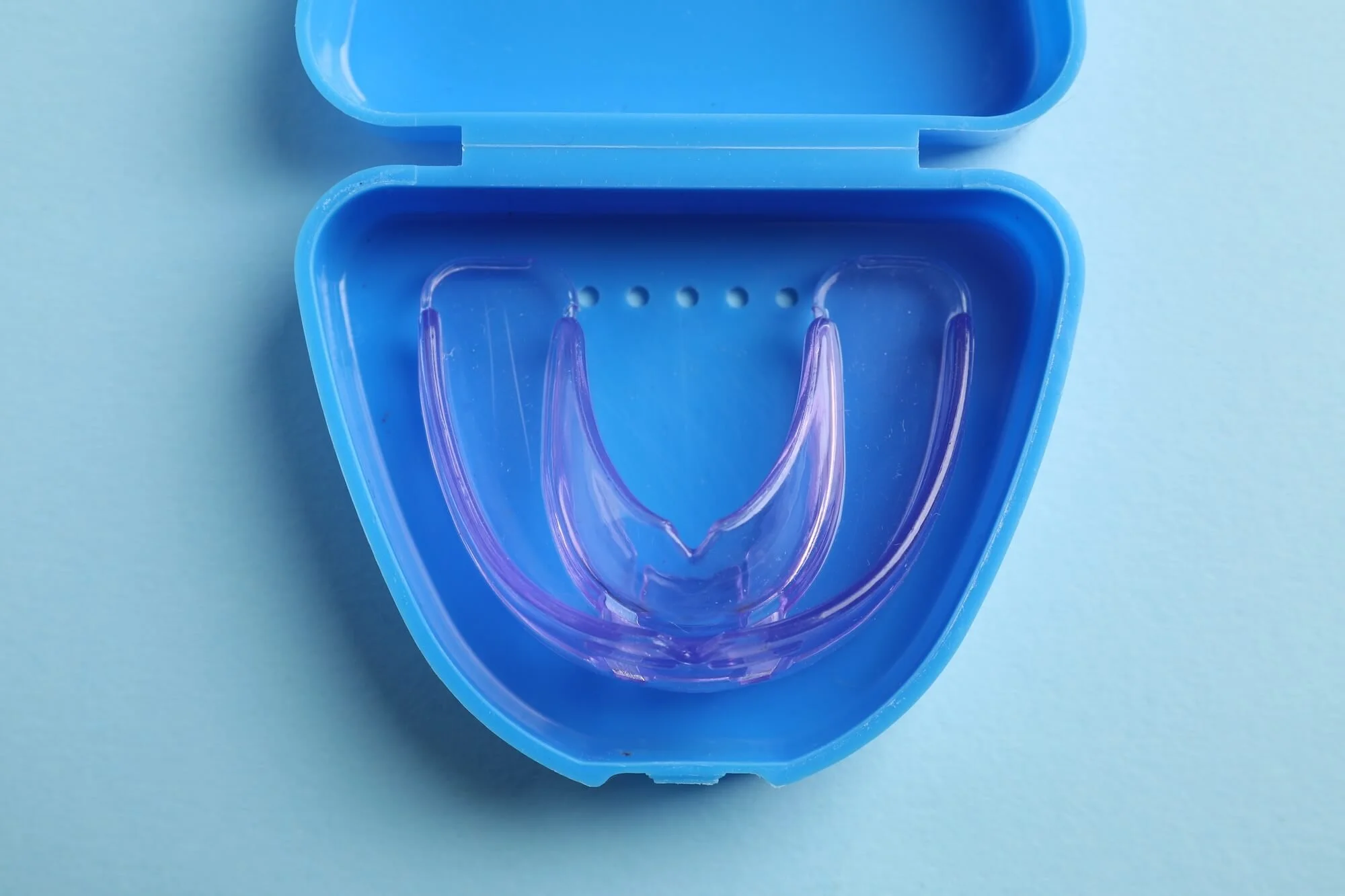
| Dental Night Guard or Splint | Wearing a dental appliance that separates your upper and lower teeth | Protect teeth from damage, even if grinding continues |
| Daytime Habit Changes | Using reminders and practicing relaxed jaw positioning | Reduce unconscious clenching during the day |
| Stress Management | Practicing relaxation techniques or working with a counselor | Address stress or anxiety that may contribute to grinding |
| Dental Repair | Restoring damaged teeth with crowns or other dental treatments | Improve comfort and chewing function |
| Evaluation of Related Conditions | Reviewing medications or checking for sleep conditions such as sleep apnea | Identify and address factors that may contribute to bruxism |

When Should You See an Oral Surgeon for Jaw Pain?
Your general dentist is a good starting point for suspected bruxism. If jaw pain continues or you have difficulty moving your jaw, your dentist may recommend a specialist evaluation.
We work closely with referring dentists to evaluate concerns that need oral and maxillofacial expertise. We’ll explain our findings and discuss appropriate next steps with you. A referral for jaw pain does not automatically mean you need surgery. For more guidance, read our blog about when to see an oral surgeon.
If you’re dealing with ongoing jaw pain or your dentist has recommended a specialist evaluation, we’re here to help. Call or request an online consultation at either of our locations.
Frequently Asked Questions
1. Can I grind my teeth without knowing it?
Yes. Grinding can happen during sleep, and daytime clenching may go unnoticed. Regular dental visits help identify wear before you recognize the habit.
2. Will a night guard stop teeth grinding?
A night guard primarily protects your teeth. It may not stop the grinding itself, so your dentist may also recommend addressing stress, habits, or sleep concerns.
3. Do children need treatment for teeth grinding?
Many children outgrow bruxism. Tell your child’s dentist if grinding persists, causes pain, or appears to damage their teeth rather than waiting until the teen years.
4. Is bruxism the same as a TMJ disorder?
No. Bruxism describes grinding or clenching. TMJ disorders affect the jaw joints and surrounding muscles. The conditions can occur together, and an exam can help clarify the cause of your discomfort.
5. Does everyone with bruxism need treatment?
No. Mild cases may only need monitoring. Treatment becomes more important when grinding causes pain, tooth damage, or problems with jaw function.